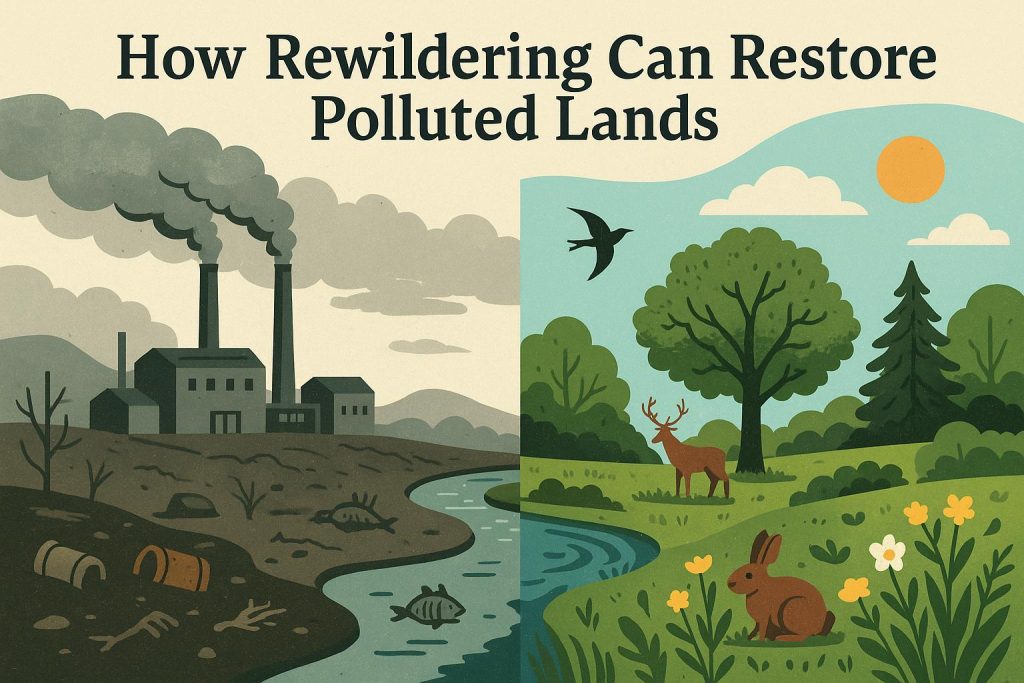
How Rewildering Can Restore Polluted Lands
The Concept of Rewildering
Rewildering is an innovative ecological restoration strategy that prioritizes allowing nature to lead the way in the healing and rehabilitation of landscapes that have been adversely affected by degradation or pollution. This method contrasts traditional land reclamation approaches, which typically rely on human-engineered solutions and interventions. Instead, rewildering emphasizes establishing conditions where natural processes can flourish and create self-sustaining ecosystems. The overarching goal is to revert these areas to a state of ecological balance, thereby enhancing biodiversity and increasing resilience to environmental changes and pressures.
Pollution Challenges and Ecosystem Degradation
Polluted lands present a multitude of challenges to both environmental health and human communities. The key contributors to land pollution include industrial activities, improper waste disposal, and agricultural runoff, to name a few. Such pollutants lead to detrimental changes in soil chemistry, diminished water quality, and degraded habitats, which create hostile environments for native species and hinder their survival and growth. The resulting loss of biodiversity not only disrupts the natural environment but also affects vital ecosystem services upon which humans depend, such as clean water, fertile soils, and carbon sequestration.
The issue is further compounded by the fact that many of these pollutants can persist in the environment for extended periods, continuing to cause harm long after their initial introduction. This ongoing degradation of ecosystems leads to a cycle in which native species become increasingly vulnerable and unable to flourish, which can result in further loss of biodiversity and ecosystem functionality.
Natural Processes and Their Role in Recovery
Rewildering harnesses the power of natural processes like plant succession, soil formation, and water purification to facilitate the recovery of ecosystems. Plant succession refers to the gradual replacement of one plant community by another as time progresses, ultimately leading to increased complexity and diversity in vegetation structure and function. This natural progression allows pioneer species to colonize previously degraded lands, enhancing soil conditions and providing new habitats conducive to a wider array of organisms.
Additionally, soil health is a crucial aspect of rewildering projects. Healthy soils support diverse biological communities and improve water retention capabilities while also mitigating erosion. The presence of native plant species and soil organisms is particularly important, as they play an active role in accelerating the breakdown and detoxification of pollutants through a process known as bioremediation. By reintegrating these natural processes, rewildering can greatly aid the recovery of ecosystems and help restore ecological balance.
Case Studies and Successful Rewildering Efforts
Several case studies illustrate the transformative potential of rewildering in converting polluted lands into thriving ecosystems. One such example is the Lower Oosterschelde region in the Netherlands. Here, the restoration of natural tidal flows led to the rejuvenation of once-degraded salt marshes and the return of marine life. The improved ecological conditions resulted in a diverse and productive ecosystem that supports a myriad of species.
Another notable rewildering success story is the Knepp Estate in England. Previously, this area was heavily subjected to intensive agricultural practices. However, by allowing natural grazing processes to occur, this landscape underwent a remarkable transformation into a biodiverse habitat. The Knepp Estate now serves as a model for the benefits of rewildering, showcasing how minimal human intervention can result in the flourishing of native species and the restoration of ecological balance.
Benefits and Long-Term Impact
Rewildering offers numerous benefits that extend beyond merely mitigating pollution. One of its key advantages is the potential to increase biodiversity by providing habitats for native species, thereby enhancing the ecological complexity and stability of a region. This boost in biodiversity not only helps ecosystems withstand and recover from environmental changes and disturbances, but it also contributes to the overall health and functionality of the global environment.
Furthermore, the implementation of rewildering practices promotes long-term ecological resilience to climate change by enabling ecosystems to adapt naturally to shifting conditions. Restored landscapes also offer significant recreational and educational opportunities for local communities. They can serve as natural spaces for people to connect with and learn about their environment while fostering an appreciation for the importance of conservation efforts.
Rewildering also supports sustainable land use practices by reducing the need for intensive land management. As ecosystems recover and become self-sustaining, maintenance costs decrease, and the emphasis shifts towards long-term stewardship and monitoring. The reduced reliance on human intervention ultimately contributes to a more harmonious and balanced relationship between nature and human activity.
Engaging with ongoing rewildering projects provides valuable insights into the practical applications and challenges of applying such ecological strategies at different scales. Though the strategy of rewildering places minimal emphasis on direct human intervention, it does require an in-depth understanding of natural processes as well as careful and strategic planning. A long-term commitment to monitoring and adapting management practices is crucial for achieving the desired ecological outcomes and ensuring the success of rewildering efforts.
In conclusion, rewildering offers a promising and forward-thinking approach to restoring polluted lands by harnessing the innate healing power of nature. Through a commitment to fostering natural processes and creating conditions ripe for ecological recovery, rewildering has the potential to transform degraded landscapes into vibrant, resilient, and biodiverse ecosystems.