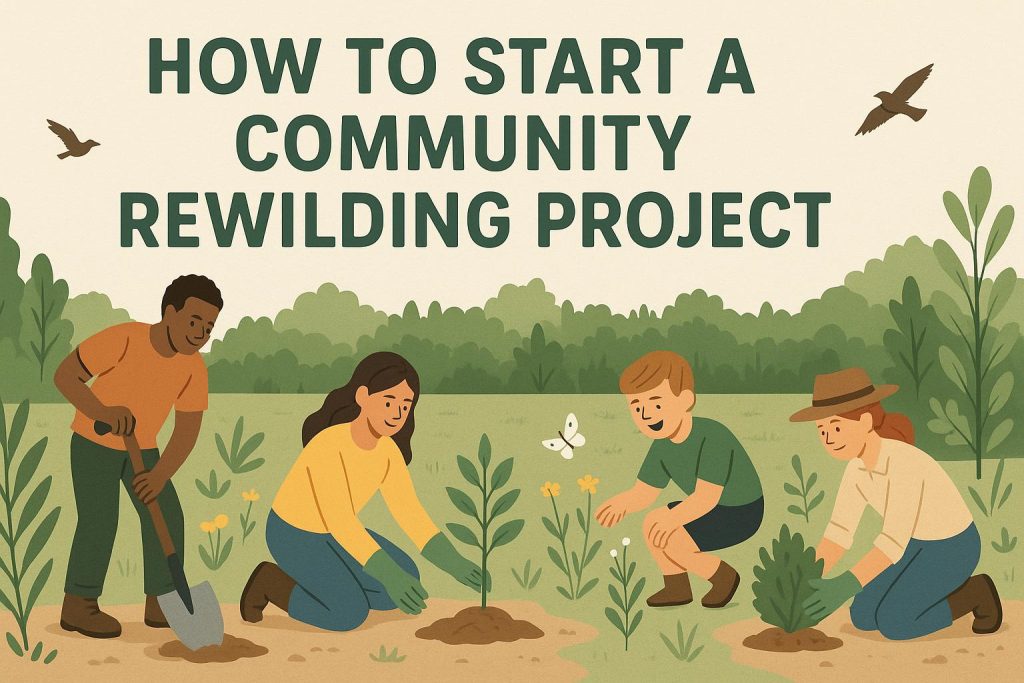
How to Start a Community Rewildering Project
Introduction to Rewildering
Rewildering has emerged as a promising approach to ecological restoration, focusing on returning land to its natural, uncultivated state. This process allows native species to thrive and ecosystems to regain their balance, subsequently supporting biodiversity and resilience to environmental changes. Rewildering is becoming increasingly popular as a method to address climate change and habitat loss, and starting a community-driven rewildering project can serve as a catalyst for positive environmental transformation.
This guide is intended to provide comprehensive steps for those interested in spearheading a rewildering initiative within their community. By focusing on education, collaboration, and direct action, community members can come together to create a sustainable future.
Engage Your Community
One of the most crucial steps in initiating a rewildering project is engaging with the local community. Local residents and organizations are key stakeholders in the success of these projects. Begin by organizing informational sessions where you can inform and educate attendees about the multifaceted benefits of rewildering. These benefits often encompass improvements in local biodiversity, climate resilience, and overall environmental health.
To ensure effective communication, consider creating materials such as flyers, brochures, or digital presentations that clearly outline the project’s goals and potential impact. Leveraging social media and community forums can extend your reach, attracting a broader audience and fostering community interest. This engagement phase should aim to build a network of committed individuals eager to partake in the initiative.
Identify and Assess Potential Sites
Selecting the right site is fundamental to the success of a rewildering project. Ideal locations often include lands that are either underutilized or degraded, such as vacant lots, abandoned farmland, or rundown parks. Conducting a thorough site assessment enables you to evaluate crucial factors like soil quality, existing vegetation, and the potential for ecological recovery.
Consultation with local environmental specialists or ecologists can offer valuable insights into a site’s ecological potential and necessary interventions. Their expertise can guide you in making informed decisions about where and how to focus your efforts. Understanding these elements is critical to laying the groundwork for effective rewildering activities.
Develop a Rewildering Plan
After securing a suitable site, the next step is to develop a detailed rewildering plan. This essential document will steer your project from the planning stage through to execution and long-term maintenance. Start by clearly defining the project’s goals, whether they focus on improving biodiversity, enhancing ecosystem services, or contributing to carbon footprint reduction.
Collaboration with environmental experts is recommended when designing specific interventions, such as planting native species, removing invasive plants, and restoring natural habitats. Your plan should include a detailed timeline, budget estimates, and clearly defined roles for community members. These elements are crucial for ensuring coordinated and efficient project execution.
Secure Funding and Resources
One of the challenges many projects face is securing adequate funding and resources. Financial backing is often necessary for acquiring materials, hiring experts, and organizing community events. Several funding avenues are worth exploring, such as government grants, private donations, and crowdfunding campaigns.
Partnering with local businesses or nonprofit organizations that have an interest in environmental conservation can provide additional support. In-kind donations are another valuable resource. These may include tools, native plants, or volunteer labor, which can significantly alleviate project costs.
Implement the Project
With a strong plan and necessary resources secured, you can move forward with project implementation. Organize volunteer days where community members can participate in activities like planting native flora, removing invasive species, or constructing wildlife-supportive structures such as birdhouses or bat boxes. These collaborative events not only promote conservation but also strengthen community ties.
Ensure all participants receive proper training and adhere to safety guidelines during these activities. Regular progress monitoring is critical, enabling you to adapt interventions as needed to achieve your ecological goals. Flexibility in approach can often lead to more effective outcomes over time.
Monitor and Maintain
The project doesn’t end with initial implementation; ongoing monitoring and maintenance are vital to sustaining the project’s ecological benefits. Establish a regular schedule for site visits to evaluate plant growth, check for invasive species, and ensure any infrastructure, like paths or signs, remains in good condition.
Continued community involvement is crucial for the long-term success of the rewildering project. Host workshops or provide updates on progress to maintain engagement and education. Keeping the community informed and involved ensures collective responsibility and a shared sense of accomplishment.
In conclusion, following the steps outlined can empower communities to play a significant role in ecological restoration. Rewildering fosters biodiversity and contributes positively to the environment’s health. By taking proactive measures to implement comprehensive rewildering initiatives, communities can usher in a new era of conservation, benefiting both current and future generations.