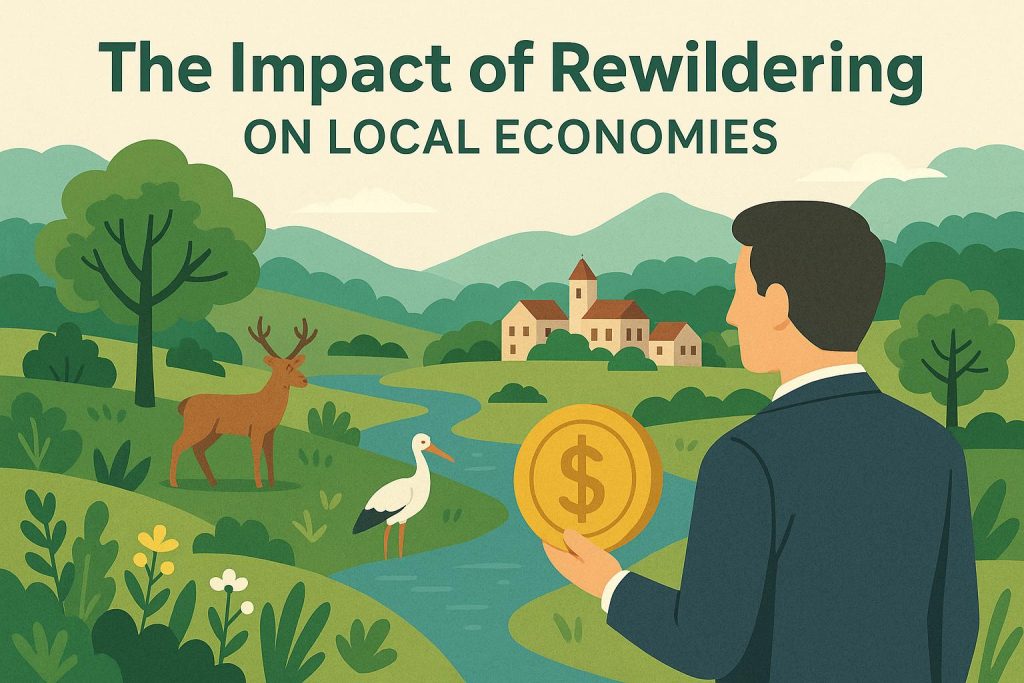
The Impact of Rewildering on Local Economies
The Concept of Rewilding
Rewilding encompasses a holistic approach to environmental restoration, where ecosystems are returned to their inherent states by allowing innate processes to unfold unabated. This method encourages the reintroduction of apex predators and facilitates the revival of native plant and animal species. As an emerging strategy, rewilding is being adopted to combat the relentless decline of biodiversity while simultaneously enhancing the provision of ecosystem services. As these initiatives gain traction across various landscapes, they bring about substantial implications for local economies, presenting both opportunities and challenges.
Economic Benefits of Rewilding
Rewilding can invigorate local economies through multiple avenues. One significant avenue is the growth in eco-tourism. With the revitalization of natural environments and the reemergence of wildlife, these areas often become hotspots for tourists eager to witness the resurgence of nature. The influx of visitors subsequently drives an increased demand for services in local economies, including accommodations, dining establishments, and guided experiences. The financial impact is bolstered by the creation of new business opportunities tailored to the interests of eco-tourists, further embedding rewilding into the economic fabric of affected regions.
A further economic benefit can be derived from the enhancement of ecosystem services. Naturally restored ecosystems offer critical services like carbon storage, enhancement of water purity, and amelioration of flood risks. These services are crucial as they can lead to cost reductions for communities otherwise burdened by environmental management expenses. Additionally, these enhancements contribute to climate resilience, potentially safeguarding communities from adverse climatic events, thereby offering longer-term economic savings and stability.
Job Creation and New Opportunities
Rewilding projects can foster employment through direct roles in the stewardship and oversight of natural reserves, and through indirect roles in associated sectors such as tourism and conservation education. As rewilding initiatives evolve and expand, there arises a demand for local expertise in areas like ecology and community engagement, thus paving the way for educational programs and skills development tailored to these emerging needs.
Moreover, enterprises that embrace sustainability and conservation principles may uncover new markets and incentives. Agricultural practices that harmonize with rewilded landscapes could target niche markets by offering organic produce, which can often command premium pricing. This aligns with consumer trends towards sustainable and locally sourced goods, potentially bolstering local agricultural revenue streams.
Challenges and Considerations
Despite the evident advantages, rewilding is not without its challenges. Transformations in land use associated with rewilding can disrupt established agricultural models or other industries reliant on land resources. To alleviate such disruptions, it is crucial to implement transitional strategies while considering compensation frameworks for stakeholders adversely affected. Early engagement with local communities is pivotal, ensuring that their perspectives are incorporated during planning stages. This collaborative approach aids in minimizing adverse impacts and fostering long-term community support.
Case Studies and Examples
Rewilding has demonstrated its impacts across various regions, offering illustrative case studies of its economic potential. A prime example is the reintroduction of wolves in Yellowstone National Park in the United States. This initiative has been positively correlated with increased tourism and subsequent economic activity in the surrounding areas. Similarly, the Oostvaardersplassen project in the Netherlands showcases how rewilding efforts can attract a global audience, contributing to local income from international visitors.
For those seeking comprehensive insights into specific rewilding endeavors, resources such as the Rewilding Europe website serve as valuable portals, presenting a plethora of case studies and socio-economic reports on rewilding’s impact across the continent.
In conclusion, while rewilding poses its set of challenges, the potential economic benefits render it a viable strategy within the realm of sustainable development. Striking a balance between ecological aspirations and the needs of local populations is imperative, ensuring that both the local economy and natural ecosystems can flourish in tandem.