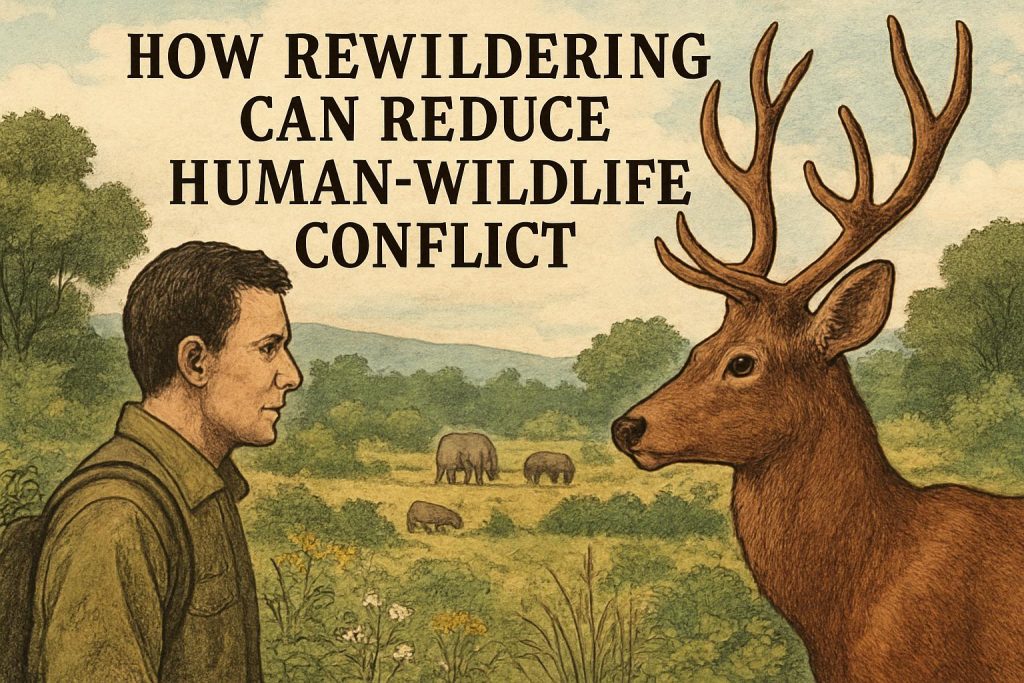
How Rewildering Can Reduce Human-Wildlife Conflict
Introduction
Human-wildlife conflict remains a pressing issue affecting not only the conservation of biodiversity but also the stability of ecosystems and the welfare of human communities globally. The root of this problem often lies in the competition between humans and wildlife for essential resources such as land, water, and food. This competition can lead to negative outcomes, including loss of habitat for wildlife and agricultural damage or even threats to human safety and livelihoods. In recent years, one potential solution that has garnered attention is the concept of rewildering.
Understanding Rewildering
Rewildering, or rewilding, is an ecological restoration practice aimed at returning lands to their natural, uncultivated state. At its core, rewilding focuses on fostering the reestablishment of natural processes and wilderness areas. This is often achieved through the reintroduction of native species that once played a crucial role in the ecosystem but may have been driven out due to human activity. A hallmark of rewilding is the reduction of human influence on landscapes, thereby allowing ecosystems to become self-sustaining and capable of maintaining their biodiversity naturally.
Benefits of Rewildering in Reducing Human-Wildlife Conflict
Habitat Restoration: Rewildering serves to revitalize landscapes by restoring them to their natural states. This restoration provides wildlife with accessible resources essential for their survival without encroaching on human-dominated environments. By creating these revitalized habitats, wildlife has less incentive to move into human-occupied areas, thus reducing the chances of conflict. The creation of buffer zones through rewildering aids in minimizing negative interactions between wildlife and human activities, serving as a natural boundary that protects the interests of both.
Ecological Balance: The goal of rewildering is to restore ecological integrity and balance within an ecosystem, encouraging natural predator-prey dynamics. In an unmanaged ecosystem, predator species play a vital role in controlling prey populations, preventing overpopulation and the consequent migration of prey into human regions in search of sustenance. By allowing these natural relationships to thrive, rewildering helps maintain a harmonious balance, reducing the frequency and intensity of human-wildlife conflicts by keeping species within their ecological niches.
Enhanced Biodiversity: One of the significant impacts of rewildering is the boost in biodiversity, which leads to more robust and resilient ecosystems. A diverse mix of species ensures that various ecological roles are fulfilled, maintaining the ecosystem’s health and functionality. This diversity stands to greatly reduce the pressure on any single species to move into human territories to meet their habitat needs. With the ecosystem’s natural resources and space fulfilling these requirements, wildlife remains within their natural confines.
Community Involvement and Economic Benefits
Rewildering initiatives often demand active involvement from local communities, which strikes a balance between conserving nature and supporting human welfare. The integration of traditional knowledge systems into rewildering projects provides an opportunity for conservationists to leverage local insights and practices that can enhance project outcomes. By engaging communities in these initiatives, there arise potential economic opportunities through eco-tourism, which can create jobs and offer an alternative source of income. Such economic benefits can diminish the local populace’s dependence on the overexploitation of wildlife resources, which often acts as a catalyst for conflicts.
Challenges and Considerations
While rewildering holds much promise, as with any conservation effort, it is not without its challenges. One primary issue is potential land use conflicts, considering that lands earmarked for rewilding might be subjects of competing interests—whether for agriculture, housing, or other utilities. Furthermore, the adaptation and eventual integration of reintroduced species into these ecosystems bear monitoring, as their survival is critical to the effectiveness of rewilding efforts. Long-term sustainability of these initiatives requires continuous oversight and management to hone techniques and address problems as they arise.
The success of rewildering, therefore, hinges on meticulous planning, robust stakeholder engagement, and sustained funding and support. Each of these components plays a role in ensuring that rewilding not only bridges the gap between conflict resolution and ecological restoration but also serves as a keystone for future conservation strategies.
To summarize, rewildering is an innovative and potentially transformative approach aimed at reducing human-wildlife conflicts through the restoration of natural habitats, support of ecological balance, and active community involvement. It embarks on a holistic path that considers ecological, economic, and social dimensions, striving to address the root causes of conflicts while promoting harmonious coexistence between human populations and wildlife. Such efforts, although requiring careful implementation, hold the promise of fostering a future where biodiversity and human communities thrive in tandem.