How Rewildering Can Bring Back Lost Habitats
Understanding Rewildering
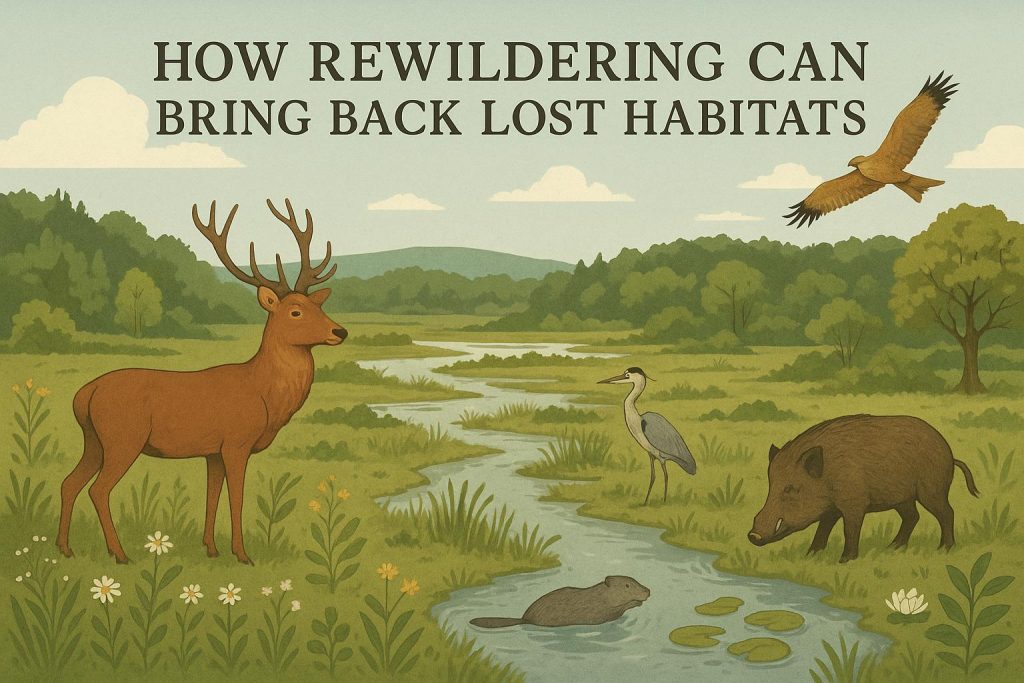
Rewildering, more commonly known in ecological circles as rewilding, is a comprehensive ecological restoration strategy designed to restore and rejuvenate natural habitats back to their original, untamed states. This ambitious and forward-thinking practice involves the reintroduction of native species, the revitalization of ecosystems, and giving animals the autonomy to shape their environments naturally. Over the years, human activities have substantially altered landscapes, leading to the degradation and diminishment of many natural habitats. The practice of rewildering seeks to reverse these anthropogenic changes, promoting the creation of self-sustaining ecosystems that mirror their historical conditions.
The Importance of Rewildering
The restoration of lost habitats is of paramount importance not only for fostering biodiversity but also for maintaining the crucial ecological balance that underpins healthy ecosystems. Habitats support a wide array of species, with each species playing a specific and unique role that contributes to the overall functioning of the ecosystem. When these habitats undergo disruption or destruction, it not only results in species loss but also the degradation of essential ecosystem services. Such services include pollination, nutrient cycling, and carbon sequestration, all of which are indispensable for sustaining life on Earth. By reenabling these processes through rewildering, environments can be created where wildlife thrives, and ecosystem functionality is restored to its full potential.
Key Approaches in Rewildering
One of the fundamental strategies of rewildering is the reintroduction of keystone species. These species have a significant, disproportionate impact on their environment relative to their population size. For instance, the reintroduction of wolves to Yellowstone National Park in the United States is a widely referenced example of rewilding success. Their return initiated a cascade of ecological changes, such as regulated prey populations and rejuvenated vegetation, which collectively improved the park’s overall health.
In addition to reintroducing keystone species, another critical approach includes the removal of invasive non-native species that pose a threat to local biodiversity. These introduced species often outcompete native species for resources, leading to a loss of biodiversity and disruption of natural processes. By removing these invasive elements, native species can reclaim their habitats, paving the way for the restoration of natural balance.
Challenges and Considerations
Even with its numerous benefits, rewildering is not without its challenges. Land availability is often a significant issue, as rewilding projects require large expanses of natural habitat. Securing sufficient funding is another common hurdle, as ecological restoration projects can be costly and require long-term investment to ensure lasting success. Additionally, gaining community support can be pivotal for the realization and sustainability of rewildering projects.
Introducing species into an ecosystem is a sensitive operation that demands meticulous planning and sustained monitoring to ensure both ecological compatibility and long-term success. Ecological interventions must be carried out with caution to avoid unintended consequences, such as overpopulation or unnatural predation patterns.
Socio-economic factors also play a crucial role, as rewildering projects can sometimes conflict with the interests of local communities, particularly when agricultural land is converted into habitat restoration areas. Engaging with communities and involving them in the rewildering process is essential not only for the success of projects but also for ensuring that all stakeholders benefit from restored ecosystems.
The Future of Rewildering
The future of rewildering appears promising, particularly as global awareness regarding environmental preservation continues to grow. With ongoing research and collaboration among international conservation efforts, the transformation of degraded landscapes into thriving ecosystems appears more attainable. As governments, conservation organizations, and private stakeholders increasingly recognize the manifold benefits of rewildering, there is substantial potential for more expansive and ambitious projects across the globe.
Moreover, the advocacy and deployment of rewildering strategies have gained momentum, fostering a hopeful outlook for global ecological restoration. With newer methodologies and technologies emerging, improved monitoring and management of rewildering sites are becoming increasingly feasible. Additionally, the integration of traditional ecological knowledge can enrich rewildering efforts, ensuring that restoration initiatives are grounded in both scientific and cultural contexts.
For those interested in staying informed about the latest advancements in rewildering, numerous resources provided by ecological restoration agencies offer current insights into ongoing projects and breakthroughs. This growing repository of knowledge and experience serves to inspire and guide future efforts in nature restoration, ultimately leading to healthier and more resilient ecosystems worldwide.