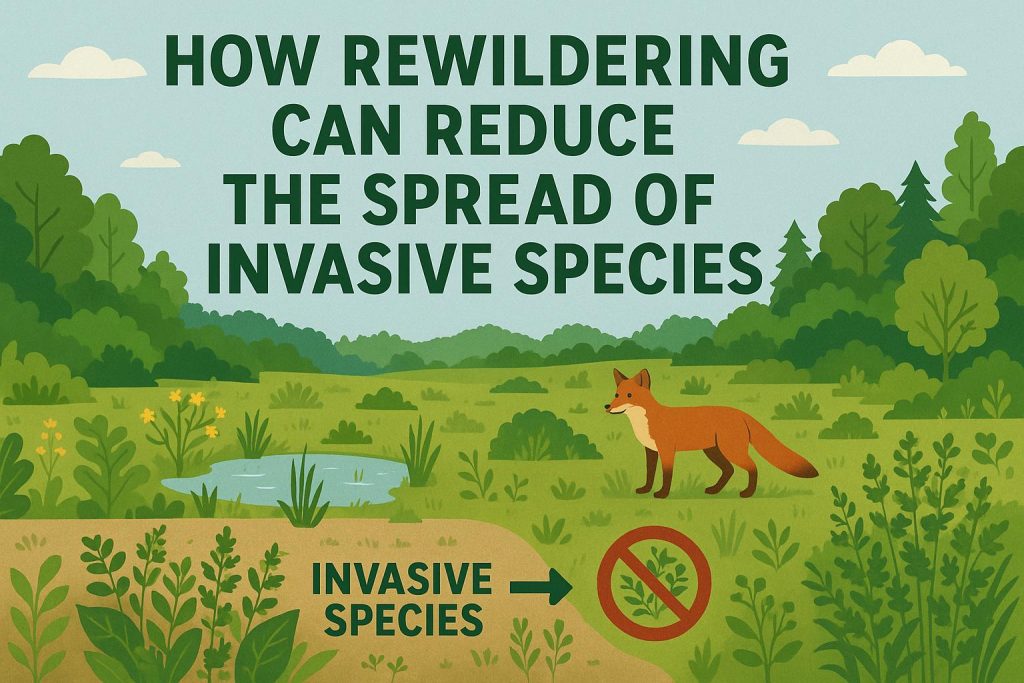
How Rewildering Can Reduce the Spread of Invasive Species
Understanding Rewildering
Rewildering is a transformative concept in the field of environmental conservation, emphasizing the restoration of ecosystems to their natural, unmanaged states. This approach is grounded in the belief that minimization of human intervention allows nature to operate through its evolutionary processes and ecological succession. Over time, this results in areas that are self-sustaining, offering a natural method for managing various environmental challenges, including the pervasive issue of invasive species.
The Problem of Invasive Species
Invasive species represent one of the most significant threats to biodiversity and ecosystem stability globally. These non-native organisms tend to disrupt local ecosystems by outcompeting indigenous species for resources. Their presence can lead to significant ecological damage, including the threat to native flora and fauna, and alteration of entire habitats. Traditionally, the management of invasive species involves physical removal or the use of chemical treatments. While these methods may work temporarily, they often come with their own environmental side effects and do not offer long-term solutions.
How Rewildering Can Help
Rewildering offers a promising alternative to traditional invasive species management methods. By restoring ecosystems to their natural balance, rewildering harnesses the power of inherent ecological processes. This can lead to increased habitat complexity, enhanced biodiversity, and heightened ecological resilience, all of which are crucial in mitigating the impact of invasive species. As these natural processes take root, ecosystems become more adept at resisting invasive species, leading to a sustainable and effective method of management.
Restoring Natural Predators
A key component of successful rewildering is the reintroduction of native predators. These predators serve a pivotal function in the ecological hierarchy by controlling prey populations, including invasive species. For example, in areas where top predators such as wolves or large felines have been reintroduced, there is often a significant reduction in the population of invasive species. This natural regulatory mechanism not only helps control species numbers but also promotes an ecological balance that reduces the need for human intervention.
Increasing Ecosystem Resilience
An ecosystem’s resilience refers to its ability to withstand and recover from disturbances, including invasions by non-native species. By promoting an environment where natural processes such as nutrient cycling, fire regimes, and hydrological patterns are restored, rewildering strengthens ecosystem resilience. Diversified ecosystems, with multiple interacting species and processes, are more robust and can resist the pressures imposed by the introduction of potentially invasive species.
Encouraging Native Species
Rewildering creates conditions conducive to the prosperity of native species. When these native plants and animals flourish, they create a formidable barrier against invasive species establishment. Locally adapted to their environments, these indigenous species can outcompete invasive species, provided the environmental conditions are favorable. Restoration projects focusing on native vegetation and wildlife are essential components of this strategy, creating ecosystems where native life thrives and invasive species are less likely to gain a foothold.
Challenges and Considerations
Despite its advantages, rewildering is fraught with challenges and requires careful consideration. Potential barriers include conflicts over land use, funding limitations, and unforeseen ecological consequences. Monitoring and management continue to be essential to ensure that rewildered areas do not inadvertently support invasive species. This necessitates a collaborative approach involving conservationists, policymakers, and local communities to navigate these challenges, fostering an environment conducive to sustainable conservation practices.
Conclusion
Rewildering presents a promising and forward-thinking approach to curbing the spread of invasive species and enhancing ecosystem health. By emphasizing the restoration of natural processes and ecosystems, it establishes environments that are inherently capable of resisting the establishment and spread of non-native species. As understanding and support of this approach increase, rewildering has the potential to become a cornerstone of global conservation strategies. For individuals interested in exploring more about rewildering initiatives and their impact, organizations dedicated to habitat restoration provide valuable resources and insights into this transformative approach.