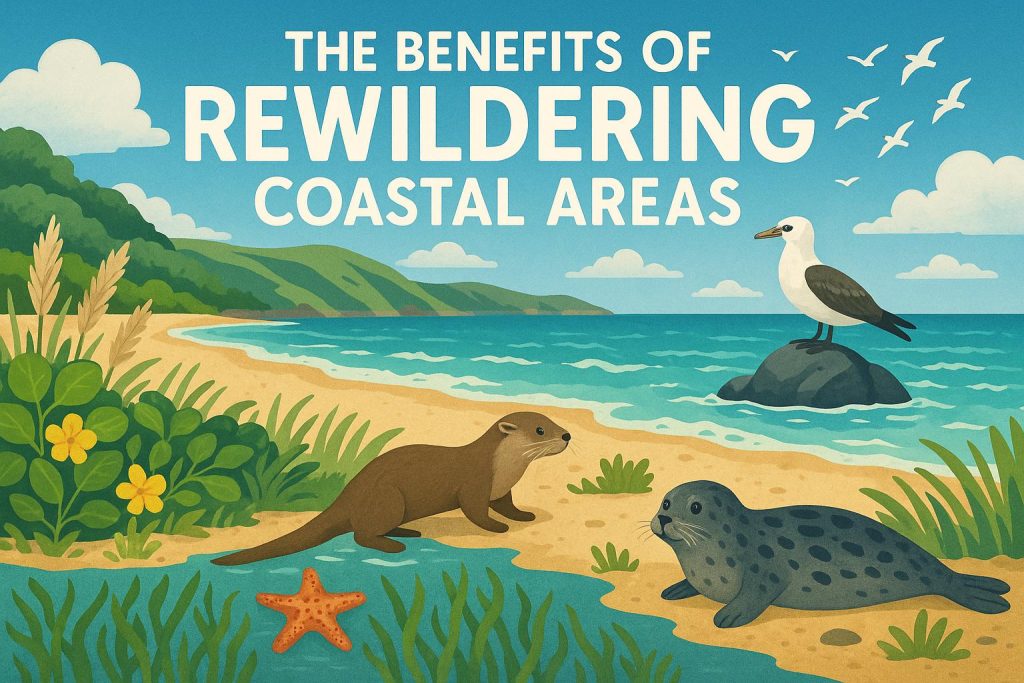
The Benefits of Rewildering Coastal Areas
Introduction to Rewildering Coastal Areas
The concept of rewildering involves restoring natural processes to ecosystems that have been tampered with by human activities. In coastal areas, this approach aims to return the environment to a more natural state, which can provide numerous ecological and economic benefits. Rewildering coastal regions can play a crucial role in enhancing biodiversity, improving ecosystem services, and increasing resilience to climate change.
Enhancing Biodiversity
Coastal ecosystems, such as salt marshes, mangroves, and sand dunes, are rich in biodiversity. However, human activities like urban development, pollution, and climate change have impacted these habitats. Rewildering efforts focus on rehabilitating these areas, allowing native species to thrive once more. By restoring natural habitats, we can support a diverse array of flora and fauna, thus maintaining the ecological balance and ensuring the survival of various species.
Restoring Natural Habitats
Projects often involve removing non-native species and reintroducing native plants and animals. This habitat restoration provides ideal conditions for local species to repopulate and thrive. Healthy ecosystems can support complex food webs and critical processes like nutrient cycling and carbon storage.
The importance of restoring natural habitats goes beyond simply planting trees or reintroducing species. It often requires a comprehensive understanding of the local ecosystem, including the soil composition, hydrology, and interactions between various species. Successful restoration projects also depend on the involvement of local communities, who can provide valuable insights and support sustainable practices.
Moreover, restoring natural habitats can create buffer zones that are essential for protecting coastal areas from natural disasters. These buffers can significantly reduce the impact of storms, floods, and other extreme weather events, making adjacent human communities less vulnerable.
Improving Ecosystem Services
Coastal ecosystems offer vital ecosystem services such as food production, water purification, and recreational opportunities. Rewildering efforts can enhance these services by improving the health and functionality of these systems, ultimately benefiting both human and natural communities.
Food Production
Restored coastal wetlands and estuaries can support sustainable fisheries by providing nursery habitats for fish and shellfish. This not only boosts local economies but also ensures food security for communities relying on these resources.
Fisheries are a critical source of income and nutrition for many coastal communities, and the health of these industries is closely linked to the health of coastal ecosystems. By ensuring that these habitats are in optimal condition, rewildering can contribute to more stable and productive fisheries, allowing communities to maintain their livelihoods without overexploiting the resources they depend on.
Water Purification
Healthy coastal vegetation can filter pollutants from water, improving water quality and reducing harmful algal blooms. This natural filtration system is more economical and sustainable than engineered solutions, such as chemical treatments or desalination plants.
Coastal vegetation acts as a natural “sponge,” absorbing nutrients and pollutants that would otherwise flow into the ocean and contribute to ecological imbalances. This natural purification process is essential for maintaining clean water supplies and healthy marine life. By investing in rewildering, policymakers can reduce reliance on costly engineered solutions while maintaining high standards of water quality.
Increasing Resilience to Climate Change
Rewildering coastal areas contributes to climate change resilience by buffering against extreme weather events and rising sea levels. Natural habitats like mangroves and salt marshes act as barriers, absorbing the impact of storm surges and erosion, thus protecting inland areas.
Carbon Sequestration
Coastal ecosystems such as mangroves and seagrasses are highly efficient at capturing and storing carbon dioxide, a critical function in the fight against climate change. By restoring and protecting these areas, we enhance their carbon sequestration capacity, contributing to global efforts to mitigate climate change.
The ability of coastal ecosystems to sequester carbon is not only impressive but also essential for achieving global climate targets. Mangroves, for instance, can store up to four times more carbon than terrestrial forests, making them invaluable in efforts to decrease atmospheric carbon dioxide levels. Through rewilding, areas that were once diminished in their capacity are rejuvenated, thereby playing an active role in combating climate change.
Understanding the interactions between different plant and animal species in these ecosystems can further enhance their resilience. By fostering diverse communities of organisms, rewildering projects can create systems that are more adaptable to changing conditions, making them less susceptible to diseases and other stresses.
Conclusion
Rewildering coastal areas presents a strategic approach to restoring ecological integrity and delivering a multitude of benefits. These efforts can lead to healthier ecosystems, improved ecosystem services, and greater climate resilience. By focusing on restoring natural habitats, communities can promote both environmental sustainability and economic prosperity.
To truly capitalize on the benefits of rewildering, however, it is crucial to adopt a long-term perspective. The impact of restoration projects often unfolds over the course of years or even decades, necessitating ongoing commitment and collaboration among stakeholders. Governments, local communities, non-profit organizations, and the private sector must work hand in hand to ensure the sustainability of these initiatives.
Monitoring and evaluation are also essential components of successful rewildering efforts. By tracking changes in biodiversity, ecosystem services, and resilience over time, practitioners can refine their strategies, learn from successes and failures, and maximize the benefits of their work.
Additionally, community engagement plays a key role in the sustainability of rewildering projects. By involving local residents in the planning and implementation process, project leads can cultivate a sense of ownership and stewardship, ensuring that the restored ecosystems are cared for well into the future. Engaging the community also facilitates the exchange of traditional and scientific knowledge, enriching the strategies employed in each unique context.
The potential benefits of rewildering coastal areas are immense, ranging from enriched biodiversity and sustainable food production to enhanced climate resilience and economic prosperity. By prioritizing natural processes and restoring ecosystems to their former glory, humans and nature stand to gain in ways that are both profound and lasting. Through collaborative and informed efforts, we can ensure that coastal regions remain a vital part of our planet’s natural heritage.