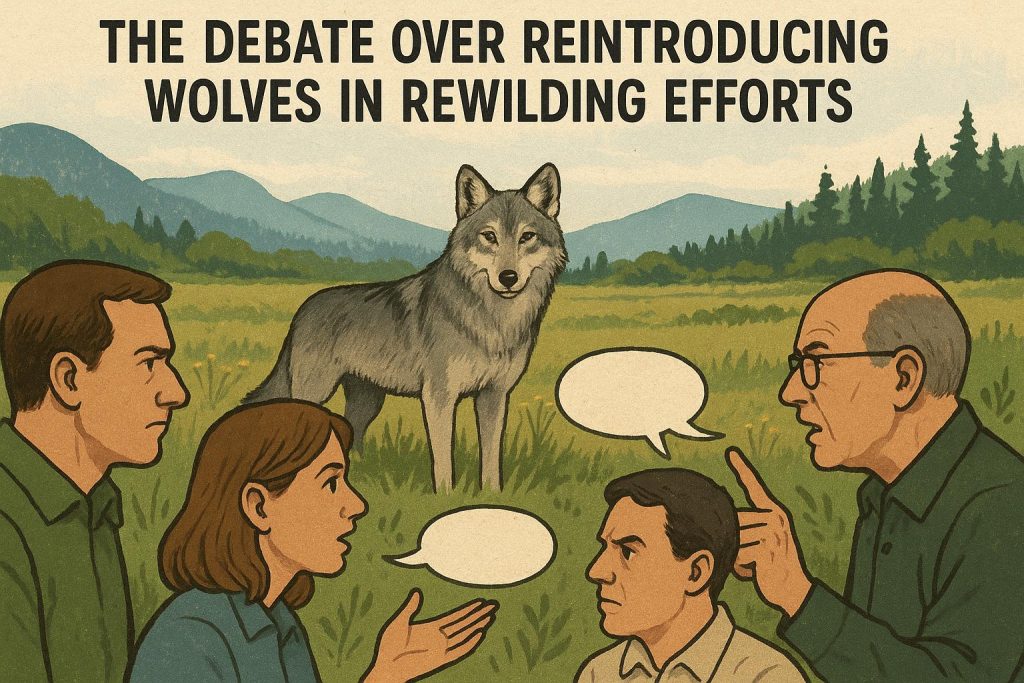
The Debate Over Reintroducing Wolves in Rewildering Efforts
Introduction to Rewilding and Wolf Reintroduction
Rewilding represents a strategic approach within environmental conservation, focusing on the restoration of ecosystems through the reintroduction of native species to their former habitats. A particularly prominent and hotly debated aspect of this strategy is the reintroduction of wolves. This discussion encompasses various perspectives, such as their ecological impact, their interactions with human activities, and the ethical dilemmas associated with rewilding efforts.
The Ecological Role of Wolves
Wolves occupy a pivotal position as apex predators within numerous ecosystems. As such, they play a significant role in regulating prey populations. This regulation of prey has a cascading effect on vegetation dynamics and overall ecological equilibrium. For instance, by controlling the populations of herbivorous animals like deer and elk, wolves effectively reduce the extent of overgrazing. This allows plant communities to flourish, thereby increasing biodiversity and fortifying ecosystem resilience. This phenomenon, known as a trophic cascade, underscores the profound influence wolves can exert on their environment, fostering a more sustainable ecosystem.
Arguments for Reintroducing Wolves
Advocates for the reintroduction of wolves emphasize their role in revitalizing natural processes within disrupted ecosystems. Through the reintroduction of such predators, conservationists seek to establish self-sustaining ecosystems that require diminished human intervention. A prime example frequently cited is the successful reintroduction of wolves into Yellowstone National Park. This initiative demonstrated significant enhancements in biodiversity and even resulted in alterations to the physical landscape, largely attributed to modified grazing patterns, which exemplify the positive ecological changes engendered by wolf presence.
Arguments Against Wolf Reintroduction
Despite these positive ecological impacts, there exists a counterargument against the reintroduction of wolves. Critics highlight the potential adverse effects on local communities, particularly in regions heavily reliant on livestock farming. Concerns regarding livestock depredation and potential threats to human safety remain prevalent. Furthermore, critics argue that contemporary ecosystems are intricate and that straightforward reintroduction endeavors might not invariably achieve the anticipated outcomes. The debate lies not only in ecological terms but also in respecting the interests and concerns of affected human populations.
Economic Considerations
The economic repercussions of wolf reintroduction are diverse and multifaceted. On one hand, the presence of wolves can significantly bolster wildlife tourism, generating considerable financial gains for local economies. On the other hand, the reality of potential livestock losses poses significant challenges. Various compensation schemes are often implemented to alleviate the impact on affected farmers. Despite these efforts, opponents contend that such measures might be insufficient or inconsistently applied, thereby emphasizing the need for a balanced approach that addresses economic concerns alongside ecological objectives.
Legal and Policy Framework
The reintroduction of wolves is intricately guided by an elaborate legal and policy framework. Government regulations, environmental statutes, and international agreements collectively shape the reintroduction process. Within the United States, for example, the U.S. Fish and Wildlife Service serves as a principal actor, overseeing reintroduction responsibilities under the auspices of the Endangered Species Act. This legal framework ensures that reintroduction initiatives are conducted within defined parameters, aligning ecological aspirations with legislative mandates.
Scientific Research and Monitoring
Continuous scientific research plays an indispensable role in evaluating the consequences of wolf reintroduction. Researchers invest substantial efforts in monitoring fluctuations in wildlife populations, vegetation changes, and other abiotic aspects of ecosystems. Furthermore, the dynamic between human populations and newly reintroduced wolves is closely studied to develop effective strategies aimed at minimizing negative interactions. This ongoing research is a cornerstone in understanding and fine-tuning reintroduction practices to ensure ecological benefits while considering human welfare.
Ethical Considerations
The ethical dimensions surrounding the reintroduction of wolves are complex and multifaceted. Proponents advocating for animal rights may underscore the intrinsic value of wolves, emphasizing their rightful place in natural ecosystems. Conversely, others might prioritize the rights, livelihoods, and interests of local human communities potentially impacted by reintroduction projects. Striking an equitable balance between these ethical considerations represents a formidable challenge in the broader rewilding discourse and necessitates empathetic dialogue and thoughtful decision-making.
Conclusion
The reintroduction of wolves within the context of rewilding efforts exemplifies the intricate nature of modern conservation practices. Successfully balancing ecological advantages with economic, social, and ethical considerations remains imperative. Ongoing research and meaningful dialogue among various stakeholders are critical in guiding present and future initiatives. Ensuring that rewilding projects are effective, sustainable, and cognizant of diverse perspectives and needs is a fundamental objective in the continuous evolution of conservation strategies.