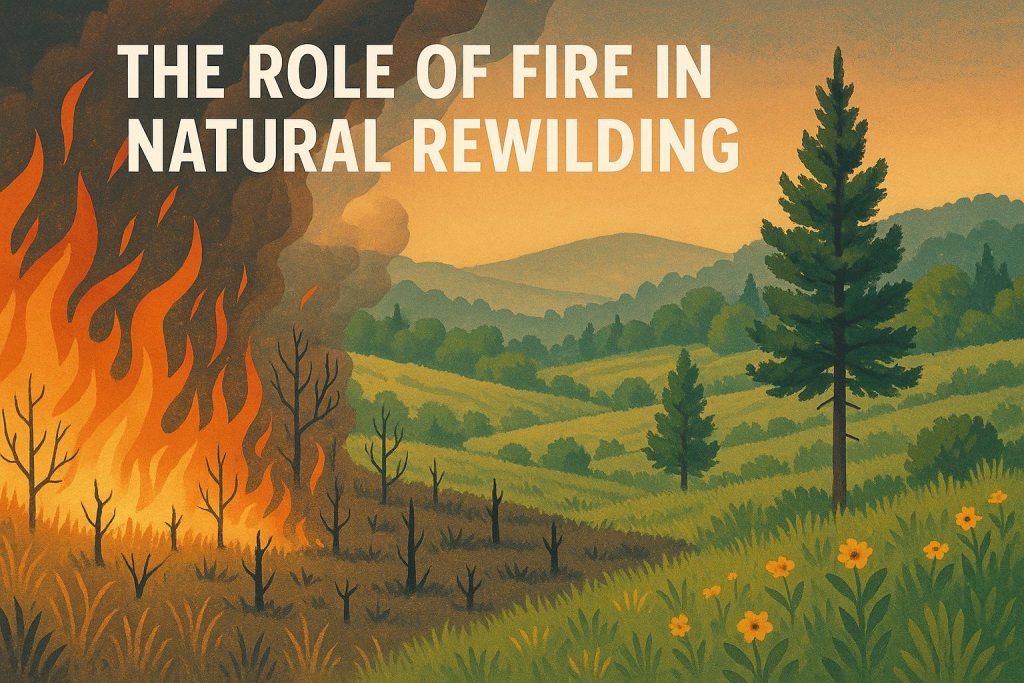
The Role of Fire in Natural Rewildering
The Role of Fire in Natural Rewilding
Natural rewilding represents an innovative approach to ecological restoration, focusing on enabling ecosystems to recover and thrive independently, without resorting to intensive human intervention. This concept emphasizes the importance of understanding natural processes as essential components of ecosystem dynamics. Among these processes, fire stands out as a crucial element, playing a vital role in maintaining and rejuvenating diverse habitats.
Understanding Fire as a Natural Disturbance
In nature, fire acts as a potent disruption that plays a critical role in shaping ecological landscapes. It serves as a mechanism that promotes biodiversity by altering habitats and contributing to ecological resilience. Ecosystems such as savannas, grasslands, and specific forest types have adapted to incorporate fire as a regular component of their ecological cycles. In these environments, fire efficiently removes dead organic material, enabling the proliferation of new growth. This cyclical pattern of destruction followed by regeneration results in dynamic landscapes where diverse species can find niches that cater to their varied ecological needs.
In addition, fire is instrumental in regulating plant communities and nutrient cycles. Some plant species have developed remarkable adaptations to fire, such as *serotinous* seeds that rely on fire’s heat to break their dormancy and germinate. These evolutionary traits underscore the longstanding role of fire in these ecosystems, underscoring its importance as a natural process that shapes biodiversity and ecosystems over millennia.
Fire and Biodiversity
Fire’s contribution to biodiversity is profound and multifaceted. By fostering a mosaic of habitats in different stages of succession, fire ensures the availability of diverse ecological niches. This diversity of habitats supports a wide range of species, each adapted to particular stages in the post-fire landscape. Some species, for instance, thrive in the open conditions of recently burned areas, while others are better suited to mature forests or regions that remain unburned.
Due to this complexity, rewilding efforts frequently incorporate fire management strategies designed to replicate natural fire regimes. These strategies carefully consider the optimal frequency, intensity, and timing of fires, aiming to synchronize them with the ecological needs of the area. By doing so, they attempt to maintain or restore the dynamic equilibrium that supports biodiversity.
Human Influence and Historical Fire Regimes
The interplay between natural and human-induced fires has historically shaped many landscapes. Indigenous peoples worldwide have historically used fire as a strategic tool for land management. These age-old practices have played an integral role in shaping local ecosystems, often increasing biodiversity by creating a patchwork of different habitats.
In contrast, contemporary fire management strategies, particularly those focused on fire suppression, have disrupted these historical fire regimes. The unintentional consequence has often been the buildup of flammable materials, leading to more severe and less manageable wildfires. Understanding both the natural and historical anthropogenic roles of fire is crucial for developing informed, effective rewilding practices that aim to restore ecological balance.
Challenges and Considerations
Reinstating natural fire regimes poses several challenges, particularly in modern landscapes interspersed with human developments. The proximity of urban areas and associated infrastructure necessitates a cautious approach to fire management. Public perception of fire, typically viewed as a destructive force, further complicates the acceptance of fire as a beneficial ecological tool.
Climate change, with its far-reaching impacts, also influences fire regimes, making the task even more complex. Shifting climatic patterns can affect the frequency, intensity, and behavior of fires, necessitating adaptive management strategies that incorporate these variables.
Rewilding projects, therefore, frequently involve collaborative efforts among ecologists, policymakers, and local communities. This collaboration ensures that fire management strategies are not only ecologically sound but also socially acceptable and aligned with the broader objectives of environmental conservation and sustainability.
For additional insights into how fire interacts with specific ecosystems and influences rewilding initiatives, resources from organizations dedicated to conservation and ecological research can provide valuable information. By deepening our understanding of fire’s role in natural rewilding, we can work towards cultivating ecosystems that are both sustainable and resilient, capable of withstanding and thriving in the face of future environmental challenges.