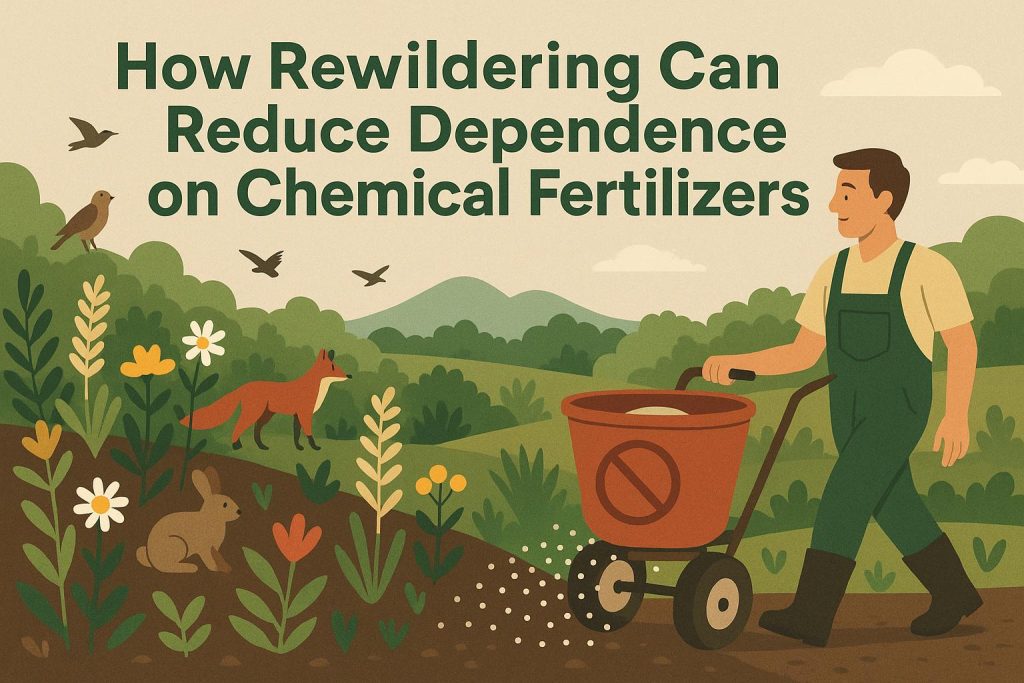
How Rewildering Can Reduce Dependence on Chemical Fertilizers
The Concept of Rewildering
Rewildering, sometimes known as rewilding, is an ecologically driven initiative focused on the restoration of natural habitats. It involves the reintroduction of native species and rejuvenation of natural processes to landscapes altered by human action. This method is increasingly recognized as an invaluable approach for ecosystem restoration due to its emphasis on leveraging natural mechanisms to reinvigorate soil health and lessen the reliance on external chemical inputs such as synthetic fertilizers.
The Role of Healthy Ecosystems
Central to rewildering is the rejuvenation of healthy ecosystems. These ecosystems are fundamental in sustaining fertile soils. The intricate processes within these systems, such as nitrogen fixation and the decomposition of organic matter, play a pivotal role in the enrichment and renewal of soil nutrients. With the concerted effort of native plants and microorganisms, soil quality experiences a notable enhancement, offering a viable alternative to dependence on synthetic agricultural chemicals.
Natural Processes:
One of the fundamental processes is nitrogen fixation, whereby certain plants, most notably legumes, form symbiotic relationships with nitrogen-fixing bacteria. These microorganisms have the remarkable ability to convert atmospheric nitrogen into a form that can be absorbed by plants to facilitate their growth. This process naturally boosts soil fertility by fostering a replenishing cycle of crucial nutrients.
Additionally, the decomposition of organic matter serves as another critical natural process. As both flora and fauna reach the end of their life cycles, their breakdown returns vital elements back to the soil, thus generating a renewable cycle of nutrient-rich soil.
Enhancing Soil Structure
The process of rewildering is particularly effective at revitalizing the structural integrity of soil. By cultivating a diverse array of native plant species, the physical attributes of soil, such as its aeration, moisture retention, and nutrient exchange capabilities, are significantly improved. These enhancements in soil properties facilitate superior plant growth and substantially reduce the necessity for chemical fertilizers. These fertilizers often serve as a quick fix to nutrient depletion issues but fail to address the underlying health of the soil itself.
Biodiversity and Natural Pest Control
Beyond soil improvement, rewildering contributes significantly to increased biodiversity. A robustly diverse ecosystem naturally manages pest populations by fostering an environment where predators and parasitoids can thrive. These organisms play a crucial role in keeping pest numbers in check, limiting the need for chemical pesticides and thus protecting the environment from excessive chemical inputs.
Benefits of Biodiversity:
A diverse ecosystem enhances the capacity of landscapes to self-regulate. With a rich variety of flora and fauna, ecosystems develop a balanced dynamic where pests are controlled naturally. This balance not only maintains ecological health but also contributes to an overall reduction in pest issues.
Economic and Environmental Advantages
The integration of rewildering practices yields considerable economic and environmental advantages. On the economic front, the reduction of reliance on chemical inputs translates into lower costs for agricultural operations. Farmers can see decreased expenditure on fertilizers and pesticides when natural processes effectively sustain soil health and manage pest populations.
Environmentally, the impacts of rewildering are profound. By minimizing the use of chemicals, rewildering diminishes runoff pollution that often finds its way into water bodies, thereby protecting aquatic ecosystems. Moreover, the revitalization of soil structure helps mitigate issues related to soil degradation, such as erosion and nutrient depletion, fostering a more sustainable form of agriculture that can support future generations.
The global shift towards rewildering illustrates a broader movement in aligning agricultural practices with sustainability objectives. This approach acknowledges the intricate self-sustaining mechanisms inherent in nature and leverages them to establish landscapes that are not only productive but also resilient. As natural processes are restored, and species reintroduced, rewildering emerges as a formidable strategy for cultivating healthy ecosystems.
In conclusion, the practice of rewildering is an increasingly vital component of sustainable land management and ecosystem restoration strategies. Its emphasis on the utilization of nature’s own processes to restore and maintain ecological balance sets it apart as a forward-thinking solution to the environmental challenges faced by modern agriculture. It serves as both a reminder and a model of the potential that lies in nurturing the natural world. By understanding and implementing these practices, we take definitive steps towards a sustainable and ecologically harmonious future.