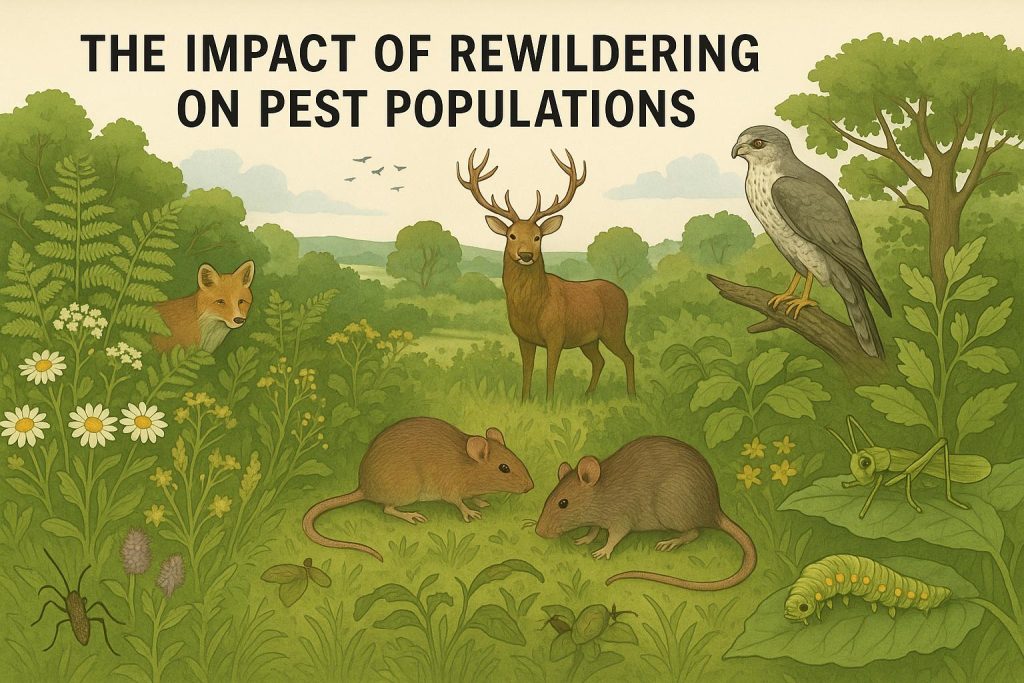
The Impact of Rewildering on Pest Populations
The Impact of Rewilding on Pest Populations
Rewilding is increasingly recognized as a transformative approach to ecological restoration. This methodology focuses on allowing natural processes to thrive and shape the ecosystems without intensive human intervention. Essentially, rewilding aims to reinstate the delicate balance of nature through the reintroduction of native species, habitat restoration, and reducing human management where feasible.
One of the critical aspects of rewilding is its influence on pest populations. Given the dual ecological and economic relevance of this factor, stakeholders such as ecologists, farmers, and policymakers have shown keen interest in understanding the mechanisms and outcomes of rewilding on pests.
Rewilding and Ecosystem Dynamics
The foundation of rewilding lies in re-establishing robust ecosystem dynamics. At the heart of these efforts is the restoration of apex predators, a move that ignites a cascade of ecological interactions known as trophic cascades. Apex predators play a crucial role in curbing prey populations, which consists primarily of herbivores that feed on vegetation.
When apex predators such as wolves or lynxes are reintroduced into an ecosystem, the largest and most noticeable change occurs in the population and behavior of primary prey species. For instance, a significant decrease in herbivore numbers translates into less grazing pressure on plant life, enabling the recovery and proliferation of vegetative biodiversity. This alteration in plant dynamics further affects secondary consumers and the general ecosystem structure, contributing to enhanced resilience and sustainability.
Case Studies and Evidence
Observations from various rewilding initiatives around the world provide tangible evidence for the impact of this strategy on pest populations. A landmark example is the reintroduction of wolves in Yellowstone National Park in the United States. The arrival of these predators markedly reduced the deer and elk populations, which were previously unchecked and over-browsed sensitive plant species. With fewer grazing pressures, vegetation recovery was evident, resulting in broader ecological benefits, such as increased habitat complexity and stability.
In European forests, similar patterns have emerged with the reintroduction of carnivores like lynxes and bears. Not only have these predators controlled excessive herbivore numbers, but they have also influenced the behavior of species that cause uneconomical damage to crops and natural vegetation. The presence of apex predators ensures that herbivores and smaller predators do not exceed ecological thresholds that could lead to widespread pest issues.
Moreover, these projects highlight rewilding’s ability to maintain balanced ecosystems, where each species, including potential pests, plays a vital and moderated role in the ecosystem’s tapestry.
Challenges and Considerations
Despite the benefits, rewilding is fraught with challenges. The introduction or return of apex predators requires meticulous planning and monitoring to prevent negative outcomes, such as unintended overpredation or unsettling local socioeconomic structures. For instance, if predators become too successful, they may not only decimate pest populations but also threaten endangered non-target species, leading to a loss of biodiversity.
Furthermore, rewilding often intersects with human interests, catalyzing debates and resistance, particularly among communities relying on livestock or agriculture. Conflict mitigation strategies, such as compensation schemes or protective measures like the installation of predator-proof fencing, often become necessary to harmonize the interests of conservationists and local inhabitants.
There is also an inherent unpredictability to rewilding. Ecosystems are complex and adaptive systems, which makes predicting all outcomes of species reintroduction practically impossible. This unpredictability necessitates adaptable management practices and continuous research and observation.
Sustainable Pest Management
Given the intricate interplay of species within rewilded ecosystems, rewilding should ideally form a component of broader integrated pest management (IPM) strategies. It is essential to combine the revival of natural predator-prey dynamics with other sustainable pest management methodologies. This includes:
1. Mechanical controls: These involve using physical barriers, traps, or manual removal strategies to manage pest populations temporarily.
2. Biological controls: This strategy employs natural predators, parasitoids, or microbes specifically targeting pest species to keep their numbers in check.
3. Habitat management: Altering the environment to favor natural pest controls or disrupt pest populations, such as planting cover crops, establishing buffer zones, or enhancing habitat connectivity.
To effectively leverage rewilding as a tool in IPM, it is critical to gather insights from diverse sources. Those who seek to deepen their understanding of rewilding methodologies and outcomes can explore resources offered by various conservation organizations. Platforms such as Rewilding Europe or similar initiatives furnish extensive data on ecosystem restoration and can support the development of efficient pest management practices through rewilding.
In conclusion, while rewilding presents promising pathways for sustainable pest management, like all ecological interventions, it necessitates consideration of broader ecological frameworks, careful planning, collaboration across sectors, and adaptive management to fully realize its potential as a tool in restoring Earth’s natural balance.