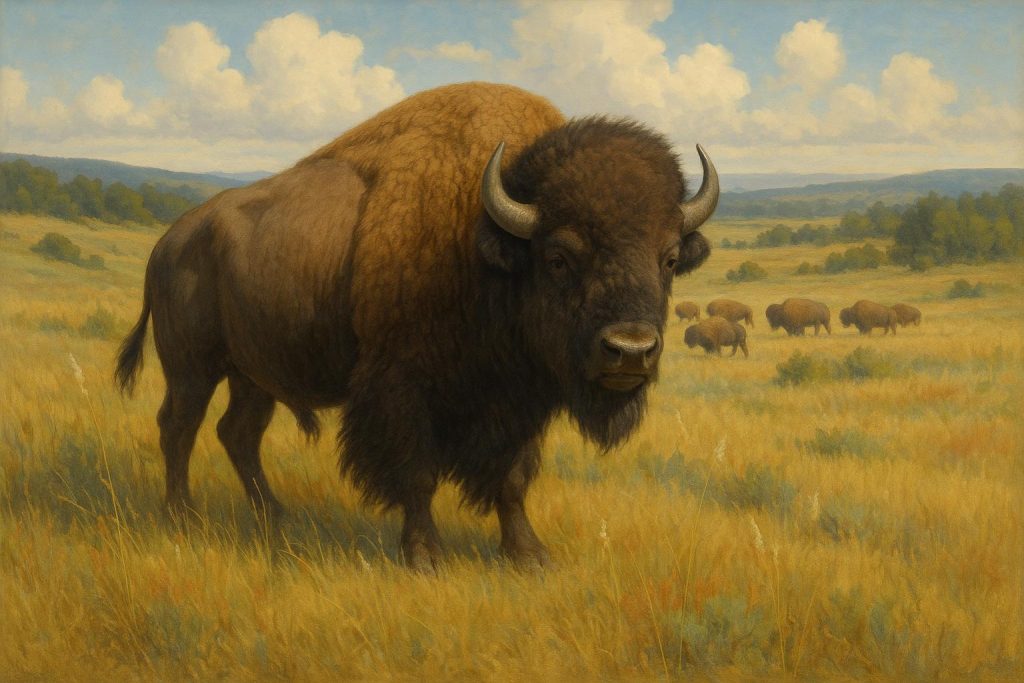
The Role of Bison in North American Rewildering Efforts
The Importance of Bison in North American Rewildering Efforts
Bison, often referred to as the American buffalo, are a key species in current rewildering endeavors across North America. Their expansive historical range and ecological importance make them a crucial component of restoration projects focused on revitalizing native ecosystems. This document examines the multifaceted role of bison in North American ecosystems, the historical decimation of their populations, and ongoing efforts to bring them back to their ancestral lands.
Ecological Significance of Bison
The role of bison in maintaining the health and stability of grassland ecosystems cannot be overstated. As large herbivores, their grazing exerts a profound influence on vegetation structure and composition. They help maintain a mosaic of plant species that supports broad biological diversity. Bison consume certain grasses while leaving others, which allows a variety of plant species to proliferate. The resulting heterogeneity in plant life supports numerous forms of wildlife, ranging from insects to top predators. The grazing patterns of bison effectively prevent any single plant species from becoming dominant, thereby inhibiting monocultures and promoting a rich tapestry of plant life.
Bison as Ecosystem Engineers
Bison are frequently described as ecosystem engineers due to their ability to physically modify their environments in ways that sustain ecosystem health and resilience. Their wallowing behavior, in which they roll in the dirt to deter insects and shed molting fur, creates depressions known as wallows. These depressions collect rainwater, forming temporary ponds that serve as essential habitats for a variety of species, such as amphibians and birds. The presence of these water sources can also support plant species that require wetter conditions, further enhancing ecosystem diversity.
The Historical Context
Bison were once one of the most populous large mammals in North America, with historical numbers estimated in the tens of millions. However, during the 19th century, extensive hunting and habitat destruction nearly drove them to extinction. By the end of that century, only a few hundred individuals remained, scattered in isolated populations. The drastic reduction of bison populations had cascading effects on the grassland ecosystems that depended on them. Today, conservationists are trying to reverse this near-catastrophic decline by restoring bison populations to their historical ranges. This endeavor is a key component of broader rewildering initiatives that aim to recreate the ecosystems of yesteryears.
Rewildering Projects
Several organizations are actively leading rewildering projects to reintroduce bison to expansive tracts of their former habitats. The World Wildlife Fund, for instance, is spearheading efforts to restore bison populations in the Northern Great Plains, a vast prairie ecosystem once teeming with these majestic animals. These projects often involve extensive collaborations among various stakeholders, including conservation groups, indigenous tribes, and governmental agencies. Each stakeholder brings unique expertise and resources to the table, helping to ensure the comprehensive success of these initiatives. Indigenous tribes, in particular, play a crucial role in these efforts, as many retain deep cultural and historical ties to bison and have traditional ecological knowledge that can guide conservation strategies.
Challenges and Considerations
Even with the enthusiastic efforts to restore bison to their native habitats, several challenges and considerations must be addressed. The primary concerns usually stem from land users, particularly ranchers, who may experience conflicts with bison regarding grazing areas. Competition for grazing space can create tensions, especially in regions where ranching represents a significant economic activity. Moreover, there are biological management issues to contend with, such as maintaining genetic diversity within bison populations and preventing diseases, such as brucellosis, from spreading to livestock.
Sustainable Management Practices
To address these challenges, sustainable management practices are being developed. Strategies like utilizing controlled grazing systems, where bison are rotated between grassland areas to mimic natural grazing patterns, can help balance the needs of both bison and livestock. Establishing buffer zones can prevent unwanted interactions between bison and cattle. Continuous monitoring efforts are also vital, as they enable conservationists to keep track of bison health and their ecological impact. Advanced technologies, such as satellite tracking and genetic analysis, are becoming increasingly instrumental in these monitoring efforts, providing detailed, real-time data to inform management decisions.
Conclusion
Bison are far more than just iconic symbols of the North American wilderness. They are a keystone species in the restoration of the continent’s prairies and grasslands. Efforts to reintroduce bison through strategic rewildering projects are yielding promising results, offering hope for the restoration of ecological balance and biodiversity. By restoring robust bison populations, conservationists aim to rejuvenate the natural heritage of North America’s ecosystems, thus ensuring these landscapes can be sustained for future generations. The collaborative nature of these efforts, involving multiple stakeholders who bring different strengths to the project, underscores the importance of community and shared responsibility in ecological restoration.