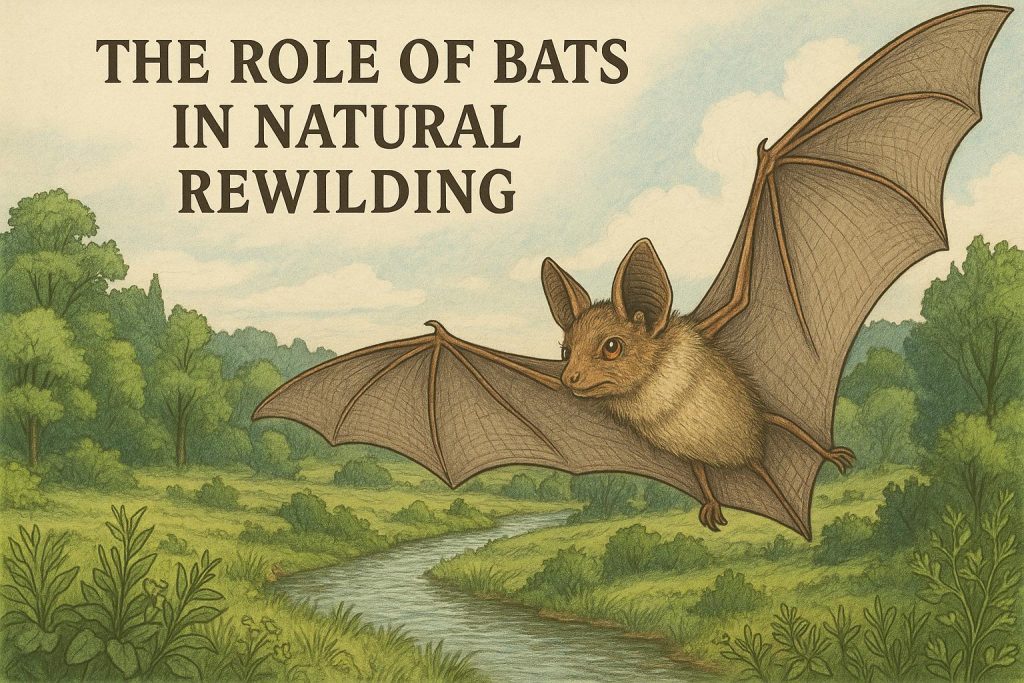
The Role of Bats in Natural Rewildering
The Ecological Importance of Bats in Natural Rewildering
Bats play a significant role in the process of natural rewildering, contributing to various ecological functions that are crucial for maintaining healthy ecosystems. By understanding their role, we can appreciate how bats support biodiversity and promote environmental balance.
Pollination and Seed Dispersal
Bats are essential pollinators and seed dispersers for a variety of plant species. Many tropical plants rely on bats for pollination, as their nocturnal habits align with the flowering patterns of these plants. Bats like the Lesser Long-nosed Bat are known to pollinate agave and cacti plants. This relationship is critical for the reproduction of these species, impacting both their survival and the overall plant diversity in these regions.
In terms of seed dispersal, fruit-eating bats, such as the Straw-colored Fruit Bat, consume fruits and excrete the seeds at different locations, facilitating the growth of new plants. This process helps in the natural regeneration of forests and contributes to habitat diversification. Without these contributions, numerous plant species might struggle to propagate successfully, leading to a decline in plant diversity, which in turn affects entire ecosystems that depend on these plants for survival.
Pest Control
One of the vital services provided by insectivorous bats is pest control. Bats consume vast quantities of insects each night, including agricultural pests such as beetles, moths, and leafhoppers. This natural form of pest control reduces the need for chemical pesticides, promoting a more sustainable approach to agriculture. Their predatory activities help protect crops, maintain food security, and support economic stability for farmers. By contributing to pest management, bats not only help in reducing the environmental impact of agriculture but also help maintain the balance in ecosystems where insects play significant roles.
Furthermore, the presence of bats can diminish the incidence of diseases spread by insects, such as mosquitoes, thereby indirectly contributing to public health. The reduction in insect populations lessens the likelihood of outbreaks of diseases like malaria and dengue fever.
Nutrient Cycling
Bat guano, or bat excrement, is an excellent natural fertilizer rich in nitrogen and phosphorus. When bats defecate in their roosts and surrounding areas, they contribute these nutrients back into the ecosystem. This nutrient input supports soil fertility, influencing plant growth and overall ecosystem productivity. Nutrient cycling is a component of natural rewildering efforts, enhancing soil health and promoting vegetation diversity.
By maintaining soil fertility, bats contribute to the sustainability of plant communities, which form the foundation of most ecosystems. The availability of nitrogen-rich guano can help accelerate plant growth, leading to denser vegetation which, in turn, supports a wider array of wildlife in a given area. This intricate link aids in the maintenance and expansion of ecosystems under rewildering processes.
Ecosystem Health Indicators
Bats are also effective as indicators of ecosystem health. Due to their sensitivity to changes in the environment, bat populations reflect the impact of habitat loss, pollution, and climate change. Monitoring bat populations can provide insights into the health and stability of ecosystems, thus guiding conservation and rewildering initiatives.
When bat populations decline, it signals potential problems within the ecosystem, prompting further investigation and intervention if necessary. Conversely, a thriving bat population indicates a healthy and balanced ecosystem. As indicators, bats can, therefore, play a critical role in environmental assessment and help prioritize areas for conservation and intervention.
In conclusion, bats are invaluable contributors to natural rewildering efforts through pollination, seed dispersal, pest control, nutrient cycling, and serving as indicators of ecosystem health. By protecting bat habitats and promoting their ecological functions, we can foster biodiverse and resilient ecosystems. Bats’ ability to fulfill multiple ecological roles highlights their importance in maintaining ecological balance and fostering ecosystem resilience. These benefits underscore the need for focused efforts on bat conservation and the protection of their natural habitats.
The intricate role of bats in various ecosystems demonstrates their versatility and importance in maintaining ecological balance. In many developing areas, efforts to conserve bat populations are limited by lack of resources and awareness. This can result in the degradation of ecosystems due to increased pest populations, reduced plant propagation, and decreased ecosystem health indicators.
Conserving bats is not only essential for preserving these diverse ecological functions but also for the economic benefits that result from reduced reliance on chemical pest control, enhanced agricultural productivity, and stabilized ecosystems. The indirect advantages of such conservation efforts include improved human health outcomes, as healthier ecosystems can lead to reduced poverty levels and improved quality of life.
For further reading on the subject, you can explore resources from organizations like Bat Conservation International that work towards bat conservation and ecosystem restoration. These organizations offer insights into the significance of bats and provide guidelines on how to support and implement effective conservation strategies. Understanding the value of bats and their ecological contribution is a stepping stone towards achieving a harmonious balance between human society and natural ecosystems.
Ultimately, the role of bats in natural rewildering provides a vivid example of how interconnected our environmental challenges can be. Each ecological service bats offer has far-reaching effects that contribute to the sustainability and resilience of our planet’s ecosystems. Hence, emphasizing bat conservation efforts within broader environmental policies and strategies will help ensure the longevity and health of our ecosystems in the face of ongoing environmental changes.
Recognizing and preserving the ecological importance of bats can lead to significant advancements in conservation science, helping to shape a future where natural and human systems work cohesively to promote biodiversity, ecological integrity, and sustainability globally.