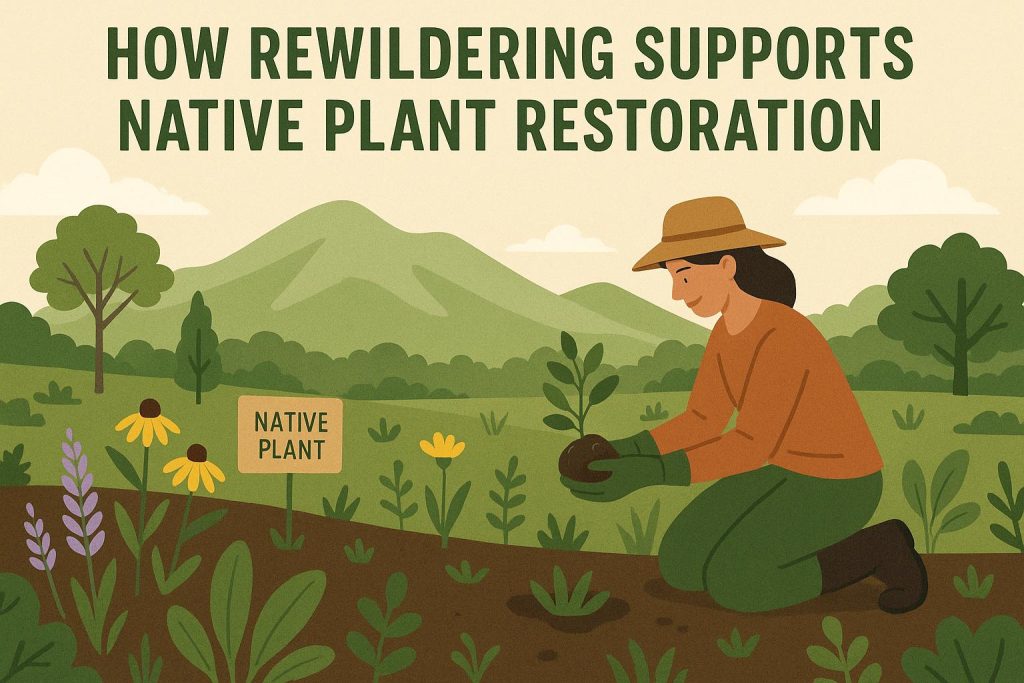
How Rewildering Supports Native Plant Restoration
Understanding Rewildering and Its Role in Native Plant Restoration
Rewildering, often interchangeably used with the term rewilding, presents an innovative approach to ecological restoration that emphasizes returning ecosystems to their original states. This approach is increasingly gaining attention as a means of rebuilding degraded habitats and promoting the return of native plant species. By allowing natural processes to take precedence and minimizing human intervention, rewildering supports the ecological balance essential for the resurgence of native plant populations.
The Importance of Native Plants
Native plants, which are species that have naturally evolved in specific regions over long periods, are vital to the well-being of local ecosystems. They furnish food and refuge for indigenous wildlife, play a role in maintaining soil health, and contribute to water quality preservation. Due to their adaptation to local environmental conditions, native plants typically require fewer resources, such as water and fertilizers, than non-native species, making them more sustainable choices for ecological restoration.
Rewildering Techniques
Rewildering involves a spectrum of techniques designed to encourage the return and growth of native flora. A fundamental aspect of this process is the removal of non-native species that often outcompete and impede the growth of native plants for essential resources. Methods to achieve this include physical removal, controlled burns, and the strategic reintroduction of species that naturally control these invasive species.
Additionally, rewildering might incorporate the reestablishment of natural disturbances, including fire or grazing, which many native ecosystems depend on for their vitality. Such disturbances can help recreate the conditions necessary for native species to flourish, allowing for a more balanced and dynamic ecosystem.
Benefits of Rewildering for Native Plant Restoration
Rewildering offers several advantages for the restoration of native plant life. By bringing back the inherent dynamics of ecosystems, it promotes biodiversity. The reintroduction of keystone species, in particular, can instigate a cascade of beneficial effects throughout the ecosystem, boosting plant diversity. This diversity indirectly supports a broader range of wildlife and enhances the system’s resilience against pests and diseases.
Moreover, rewildering supports climate change mitigation efforts. Native plants are often more efficient in sequestering carbon compared to their non-native counterparts, helping to lower greenhouse gas levels in the atmosphere. Healthy ecosystems, bolstered by a rich diversity of native plants, are generally more capable of withstanding climate-related impacts, such as extreme weather conditions.
Case Studies and Successful Projects
Across different regions, rewildering ventures have demonstrated positive outcomes. In North America and Europe, for instance, rewilding projects have successfully revived poplar and oak woodlands. These forests are pivotal as they nurture diverse plant communities and provide crucial habitats for wildlife. These projects often result from partnerships involving governmental bodies, non-profit organizations, and local communities, all united by the goal of restoring ecological integrity.
Challenges and Considerations
Despite its potential, rewildering comes with its own set of challenges. Regulatory frameworks might limit the ability to implement necessary procedures such as controlled burns, which are often critical for maintaining natural disturbance regimes. Additionally, the success of rewildering initiatives often hinges on public perception and understanding. Misunderstandings about the aims and methods of rewildering can influence community involvement and support.
To address these challenges effectively, it is essential to rely on frameworks informed by robust scientific research and adaptive management strategies. Public education initiatives can play a significant role in demystifying rewildering objectives, helping to cultivate environments where these efforts can thrive. Encouraging community participation ensures that local voices and needs contribute to the restoration process, fostering a sense of ownership and commitment.
For those interested in delving deeper into the techniques and methodologies of rewildering, additional information can be accessed through this resource.
In conclusion, rewildering represents a hopeful pathway for facilitating native plant restoration by reviving natural processes and enabling ecosystems to rehabilitate naturally. With careful planning, cooperative efforts, and a commitment to science-based strategies, rewildering holds significant promise for reinstating ecological balance and ensuring the preservation of native plant species for the benefit of future generations.