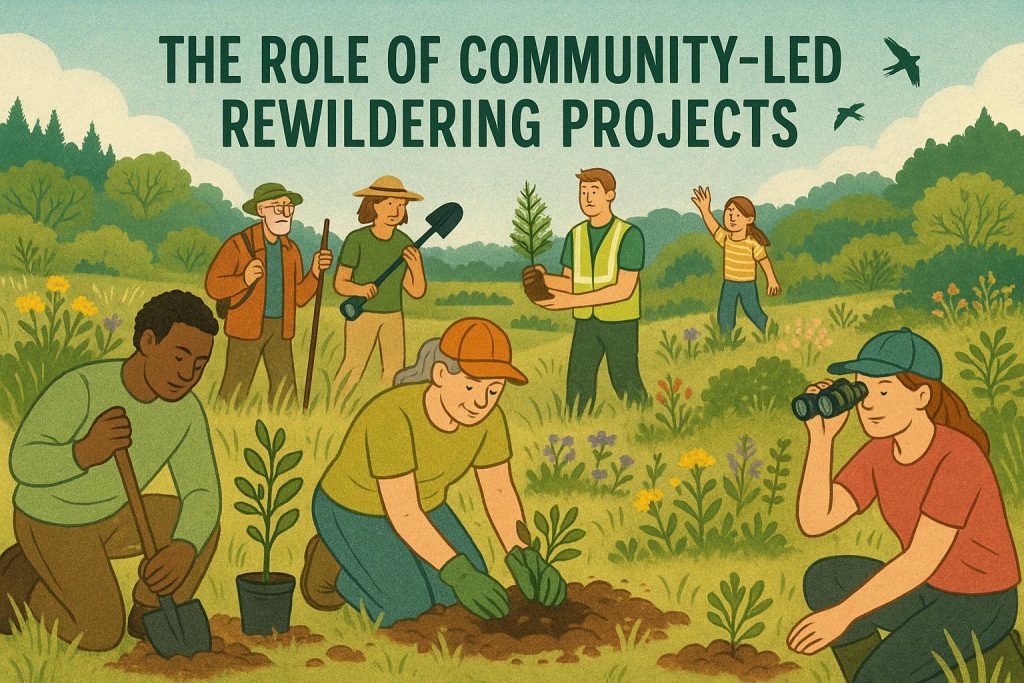
The Role of Community-Led Rewildering Projects
Understanding Rewildering
The concept of rewildering has gained significant momentum in recent years as a strategic approach to environmental preservation and restoration. Rewildering aims to bring about a return to wild nature, focusing on re-establishing self-sustaining ecosystems by allowing natural processes to flourish with minimal human interference. The core idea is to reintroduce native plants and animals while removing human-made barriers, thereby restoring natural landscapes to their pristine, original states. This method not only revitalizes biodiversity but also helps mitigate environmental problems such as climate change and habitat loss.
The Importance of Community Involvement
Community involvement is a cornerstone of successful rewildering projects due to the deep connection between residents and their local environment. Engaging local populations in these initiatives ensures that any rewildering efforts take into account the social, cultural, and economic dimensions unique to the area. By incorporating input from the community, project leaders can better understand and meet the needs of those most affected by the changes in the landscape. Furthermore, this collaboration fosters a shared sense of purpose and responsibility, which encourages community members to support and actively participate in the project. When community members feel invested in such conservation efforts, they are more likely to contribute positively and ensure the long-term viability of the project.
Benefits of Community-Led Rewildering Projects
The benefits of community-led rewildering projects are manifold and extend beyond ecological restoration.
Ecological Balance: Integrating local knowledge into rewildering efforts enhances environmental stewardship. Communities often possess deep-rooted insights about their region’s ecological characteristics and history, enabling them to navigate the challenges inherent in restoring ecological balance. They can recognize which native species should be prioritized for reintroduction and how to cultivate supportive conditions for their survival.
Increased Biodiversity: When community members take an active role in conservation, it leads to diverse and inclusive initiatives that accommodate a larger variety of plant and animal species. This diversity strengthens the adaptability and resilience of ecosystems, making them more robust against threats such as diseases, pests, and climate changes.
Socio-Economic Advantages: Rewildering projects can act as economic stimulants for local communities. The tourism potential of conserved wild spaces brings opportunities for eco-tourism businesses, which can bolster local economies. Moreover, sustainable agriculture practices inspired by rewildering principles can lead to more resilient food systems, providing an economic buffer for areas prone to environmental change.
Educational Opportunities: As communities engage in rewildering, they gain practical knowledge about conservation practices and ecological management. This can translate into opportunities for education and skills training in environmental stewardship, biocultural history, and sustainable development practices.
Role of Non-Governmental Organizations (NGOs)
Non-governmental organizations (NGOs) are pivotal players in the realm of rewildering, providing essential support to community-driven projects. Their roles span multiple facets:
– **Funding and Resources**: NGOs often provide the critical financial resources required to launch and sustain rewildering projects. This support can cover everything from the initial costs of feasibility studies to ongoing maintenance expenses.
– **Expertise**: By bringing specialized knowledge to the table, NGOs help guide the strategic planning and execution of conservation initiatives. They offer advice on best practices for biodiversity management and provide training to local stakeholders.
– **Facilitation**: NGOs play a vital role in fostering communication and collaboration between various interest groups. They build bridges between local communities, governmental bodies, and international conservation entities, ensuring that all voices are heard and aligned with shared conservation goals.
Challenges and Considerations
The successful implementation of community-led rewildering projects involves overcoming several challenges.
Land Ownership and Usage Rights: Clear legal frameworks are necessary to address issues related to land ownership and usage. In many areas, uncertainty or conflicts over land rights can stall or halt rewildering efforts.
Competing Interests: Different stakeholders often hold varying priorities and visions, which can lead to conflict. Farmers may prioritize agricultural productivity, while conservationists seek habitat restoration. Successful rewildering requires delicate negotiation and balancing these interests to develop mutually beneficial solutions.
Long-Term Monitoring: Establishing robust systems for continuous monitoring is essential for tracking the progress and impact of rewildering endeavors. Such systems allow project leaders to adapt and respond to unexpected ecological developments effectively.
Conclusion
Community-led rewildering projects present a promising path towards achieving ecological restoration and biodiversity enhancement, influencing not just the environment, but also the socio-economic fabric of local communities. These initiatives can be more effective and resilient when they leverage the unique environmental knowledge and socio-cultural context provided by local populations. Working in concert with NGOs and broader conservation bodies ensures that rewildering efforts are well-supported and strategically aligned with larger conservation agendas.
As communities embrace leadership roles in rewildering, the collective efforts contribute significantly to creating a sustainable and biodiverse future. By addressing the challenges through innovative solutions and fostering collaboration among diverse stakeholders, these projects can transform both natural landscapes and community relationships with the environment. To discover more about rewildering projects and their wider impact, consider consulting trusted environmental organizations such as WWF or Conservation International, which provide valuable insights and support for effective conservation practices.