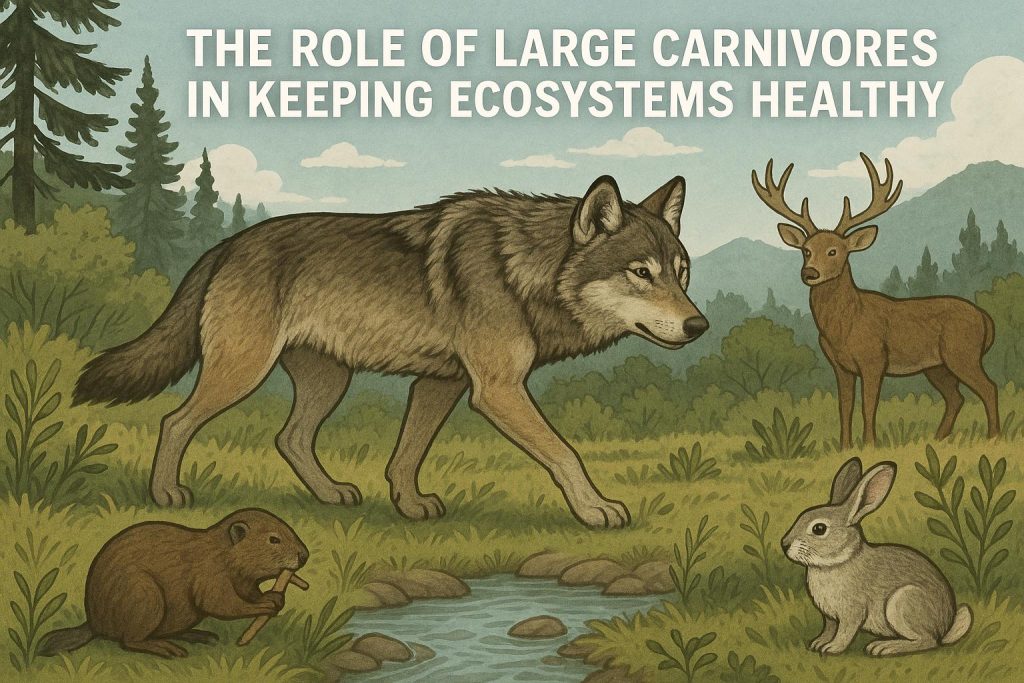
The Role of Large Carnivores in Keeping Ecosystems Healthy
The Importance of Large Carnivores in Ecosystems
Large carnivores play a crucial role in maintaining the health and balance of ecosystems. These top predators, which include species such as wolves, lions, and tigers, influence the structure and function of their habitats in numerous ways. Understanding their impact helps in recognizing the significance of preserving these vital members of the ecological community.
Preserving Biodiversity
Large carnivores contribute to biodiversity by regulating the populations of herbivores and smaller predators. This regulation prevents any single species from dominating the habitat, which promotes species diversity. By preying on the most vulnerable individuals—such as the old, sick, or weak—carnivores naturally select for healthier and more robust herbivore populations.
Through this natural selection process, carnivores help maintain the genetic health of prey populations. By targeting weaker individuals, stronger traits become prevalent within these populations, leading to more resilient prey species. This resilience is crucial for adapting to environmental changes, thereby sustaining ecological stability and functionality.
Large carnivores also indirectly influence the biodiversity of plant species. By managing the number of herbivores, they ensure that overgrazing does not occur, allowing a diverse range of plant species to flourish. This botanical diversity supports various types of insects and birds, creating a robust and interconnected ecological web.
Impact on the Food Chain
Carnivores sit at the apex of the food chain and exert a top-down control on the ecosystem dynamics. Their impact can cascade through the trophic levels, influencing vegetation, and even altering the physical environment. For instance, by reducing the number of grazing animals, predators can indirectly facilitate the growth of vegetation, which in turn affects other fauna and flora.
The presence of apex predators often ensures that populations of mesopredators, such as raccoons and foxes, are kept in check. This balancing act prevents over-predation by mesopredators on smaller species and thus maintains a healthy balance across different trophic levels. This regulation is vital in avoiding the phenomenon known as “mesopredator release,” which can suppress the numbers of certain small species within an ecosystem when apex predators are absent.
Ecosystem Engineers
In many environments, large carnivores act as ecosystem engineers. Their hunting behaviors and movements can alter landscapes by creating paths, digging, or influencing the distribution of plants and animals. Such changes can have long-term benefits for the ecological community, enabling various species to thrive.
By reshaping the physical environment, these predators can create habitats for other species. For example, paths created by carnivores can be used by other animals for movement, facilitating the flow of nutrients across different parts of an ecosystem. Moreover, these paths can sometimes lead predators to areas that may otherwise remain unexplored, increasing the spread and diversity of various plants, which use animal movement for seed dispersal.
Human-Wildlife Conflict Management
While the role of large carnivores is critical, it can sometimes lead to conflicts with human populations, particularly in areas where agricultural and pastoral activities prevail. Understanding how conservation efforts can be balanced with human interests is essential to effectively mitigate these conflicts. Implementing strategies such as designated wildlife corridors and compensatory measures for livestock predation are ways to address these challenges.
Establishing wildlife corridors allows safe passage for carnivores between habitats, minimizing the likelihood of human-carnivore interactions. These corridors serve as essential lifelines that connect fragmented habitat areas, thus enabling genetic exchange between isolated populations, a key factor in their long-term survival and adaptability.
Compensatory schemes for losses incurred due to livestock predation are also crucial in reducing hostility towards carnivores. Such programs can help foster community support for conservation initiatives, turning potential adversaries into allies who understand the broader ecological benefits of predator presence.
Conservation Efforts
The decline in large carnivore populations due to habitat loss, hunting, and human encroachment poses a significant threat to ecosystems globally. Conservation efforts are vital to maintaining the ecological roles of these predators. Initiatives like establishing protected areas and enforcing anti-poaching laws are crucial in preserving their presence and ensuring that ecosystems continue to function efficiently.
Protected areas serve as sanctuaries where carnivores can hunt and roam without the threat of human interference. The management of these protected zones often requires coordination with local communities to ensure that conservation goals are aligned with the socio-economic needs of the population.
Strong legislative frameworks and the implementation of anti-poaching initiatives are essential components of effective conservation strategies. These measures help mitigate illegal hunting, which is a significant threat to apex predators worldwide. Education campaigns that promote awareness of the intrinsic and ecological value of carnivores also play a crucial role in ensuring long-term conservation success.
Global Significance
The influence of large carnivores on ecosystems is not confined to a single region; it spans globally. Each habitat, whether savannas, forests, or tundras, depends on the regulatory functions provided by these top predators. International cooperation in research and conservation can enhance the understanding of their ecological roles and support global biodiversity.
Transboundary cooperation among countries sharing ecosystems with wide-ranging carnivores is imperative. Collaborative research projects and shared resources for conservation efforts can lead to more comprehensive understanding and effective management of carnivore populations.
Furthermore, large carnivores often symbolize the health of ecosystems, making them valuable indicators of the overarching state of biodiversity on a global scale. Their presence often offers insights into the integrity of their habitats, making them focal points in discussions of global conservation priorities.
Conclusion
The role of large carnivores is indispensable in keeping ecosystems healthy. Their contribution to biodiversity, ecological balance, and landscape modification emphasizes the need for comprehensive conservation strategies. By understanding and valuing their ecological functions, we can work towards preserving both the predators themselves and the habitats they sustain.
Continuing to study and promote the diverse roles that large carnivores play not only benefits their survival but ensures the resilience and functionality of ecosystems that support countless other species, including humans. Such efforts highlight the interconnectedness of life and the importance of maintaining balance within these intricate networks.