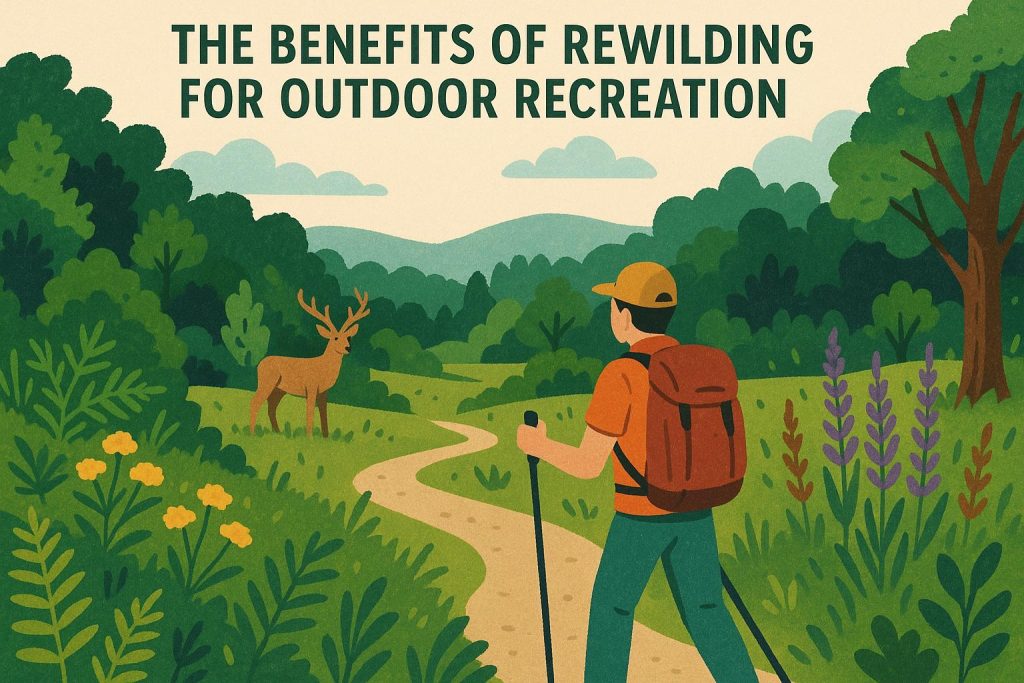
The Benefits of Rewildering for Outdoor Recreation
Understanding Rewildering
Rewildering, often referred to as rewilding, presents a significant conservation strategy focused on restoring and safeguarding natural processes along with wilderness areas. This approach emphasizes the reintegration of native species into landscapes and the revival of natural habitats. The foundational objective of rewildering is to create ecosystems that achieve self-regulation with minimal human intervention. Interestingly, for outdoor enthusiasts, rewildering offers a host of benefits that not only enhance recreational activities but also support ecological health.
Enhanced Biodiversity
One of the most salient benefits of rewildering is the typically resultant increase in biodiversity. By reintroducing native species and allowing ecosystems to function as their inherent nature dictates, diverse flora and fauna find the opportunity to thrive. This resurgence in biodiversity could significantly enrich the experiences of outdoor recreationists. For example, activities like birdwatching become more thrilling and immersive, as nature lovers encounter a wider variety of bird species. Similarly, hikers and photographers are often treated to more vibrant and bustling natural landscapes, lending extra charm and value to their outdoor pursuits. The impact of biodiversity extends into creating robust ecosystems where species interact and support each other in complex webs of relationships, which are fundamental for ecosystem stability.
Improved Ecosystem Services
Rewildering inherently contributes to stronger ecosystem services, which are the valuable benefits that humans derive from nature. Among these services are clean air and water—a direct result of healthier forests and water bodies; soil stabilization, which prevents erosion and supports agriculture; carbon sequestration, which mitigates climate change; and regulation of local microclimates. For outdoor recreationists, these ecosystem services translate to tangible improvements in their activities. Clean streams and lakes, for instance, not only provide aesthetically pleasing sites but also result in better fishing and kayaking experiences. As stable and fertile soils underpin healthy plant life along hiking paths, these trails become not only safer but more pleasurable to navigate. Further to this, balanced and fertile environments offer a stage for natural educational experiences about how ecosystems operate and provide these critical services.
Opportunities for Education and Awareness
The landscape of educational possibilities expands as one becomes involved in or simply observes rewildering projects. Outdoor recreationists gain the opportunity to learn about sustainability, conservation, and the intricate connections within ecosystems. Initiatives like outdoor center tours or educational outings can serve as practical, first-hand experiences where participants delve into the importance of ecological balance and biodiversity. This awareness does more than just foster a deeper appreciation for our natural world; it also instills values that lead to responsible recreation, highlighting the need for preserving natural beauty while enjoying it. In terms of long-term impact, increased awareness and knowledge can lead to a more informed public that prioritizes ecological health, supporting broader conservation efforts.
Encouragement of Sustainable Tourism
Another significant outcome of rewildering is its potential to stimulate sustainable tourism. Modern outdoor recreationists, many of whom seek genuine nature experiences, often favor destinations that emphasize ecological conservation. Projects centered on rewildering have the capacity to draw eco-tourists who are interested in witnessing revitalized landscapes, thus contributing to economic support for local communities engaged in these conservation efforts. Moreover, the focus on sustainability means that these projects can simultaneously shift the tourism industry’s focus towards long-term ecological awareness and protection. For those eager to explore these options further, specialized travel organizations and ecotourism groups offer more nuanced insights and opportunities for sustainable tourism ventures.
In summary, rewildering is not only pivotal to fostering environmental and wildlife conservation but also plays a crucial role in enhancing the quality of outdoor recreational activities. By promoting biodiversity, strengthening ecosystem services, enhancing educational opportunities, and supporting sustainable tourism, rewildering aligns with both conservation objectives and the desires of those wishing to reconnect with nature. For individuals looking to deepen their understanding of conservation efforts and explore projects related to rewildering, resources from organizations like Conservation International provide valuable insights and learning experiences. As our relationship with the environment continues to evolve, approaches such as rewildering might just hold the key to maintaining the delicate balance between enjoying nature and preserving it for future generations.