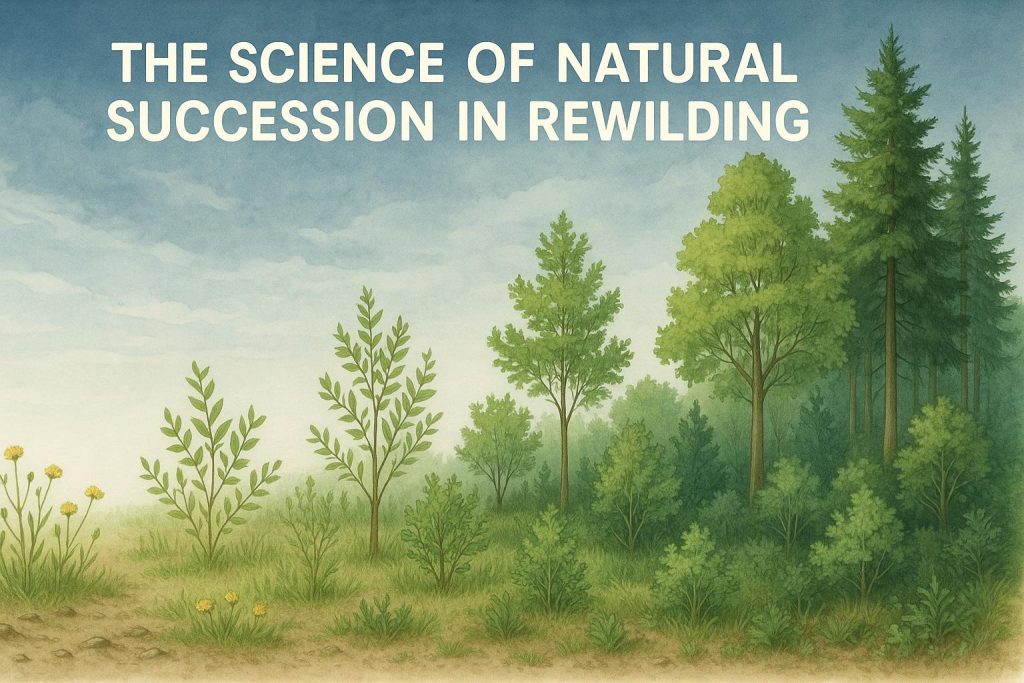
The Science of Natural Succession in Rewildering
Understanding Natural Succession
Natural succession represents a core concept in ecology, specifically detailing how ecosystems undergo development and transformation over time. This evolutionary process spans a series of stages that range from initial colonization by pioneer species to the eventual establishment of a mature or climax community. Grasping the intricacies of natural succession becomes particularly pivotal in rewildering as it aids in effectively restoring degraded landscapes while promoting biodiversity.
The Stages of Succession
As ecosystems evolve, they typically go through distinct stages, each playing a significant role in shaping the eventual landscape. This begins with the initial phases, known as the pioneer stage, progresses through intermediate phases, and finally stabilizes as a climax community.
Pioneer Stage: During the pioneer stage, ecosystems witness the first wave of life in the form of pioneer species. These species, often characterized by hardiness and adaptability, thrive under challenging conditions, such as disturbed or nutrient-depleted environments. Pioneer species, which include hardy plants and simple organisms, serve a critical function by preparing the groundwork for subsequent species. Their existence paves the way for soil development and facilitates the environmental changes needed for more complex species to inhabit the area.
Intermediate Stage: As environmental conditions improve, a more diverse spectrum of species begins to settle. This stage witnesses the gradual takeover by grasses, shrubs, and young trees, replacing many pioneer species. This transition increases biodiversity, with these new species contributing to the further development of soil quality and water retention capacities. The intermediate stage is marked by dynamic ecological interactions and enhanced resilience as the ecosystem becomes more complex.
Climax Community: Following the intermediate stage, ecosystems eventually attain stability, culminating in the formation of a climax community. This stable state is distinguished by its balanced ecosystem, featuring a diverse array of plant and animal life. However, the specific characteristics of a climax community can vary significantly, depending on geographical variables and climate factors.
The Role of Natural Disturbances
Natural disturbances such as fires, storms, and floods are integral components of ecological dynamics. These events have the capability to push an ecosystem back to an earlier stage of succession or create opportunities for new species to populate an area. The consequent effects of these disturbances can enhance biodiversity and support ecological resilience. In the broader context of rewilding projects, integrating natural disturbances into management strategies can significantly contribute to the ecological health and sustainability of an area.
Human Influence on Natural Succession
The impact of human activities on natural succession processes is profound. Land use alterations, pollution, and the introduction of invasive species can substantially disrupt ecosystems and hamper their natural progression. Human-induced changes often result in diminished biodiversity and can upset ecological balance. Rewilding initiatives aim to counteract these disruptions by facilitating the natural succession process and promoting ecological restoration. These endeavors require an understanding of both the historical context of the area and the extent of human impact.
Implementing Rewildering Projects
The successful implementation of rewilding projects necessitates meticulous planning and strategy. An essential aspect in this is the consideration of the local environmental conditions alongside the historical usage and alterations of the land. Direct interventions, such as eradicating invasive species or reinstating native flora and fauna, may be essential to kickstart or speed up natural succession. Furthermore, continuous monitoring and adaptive management practices are crucial to ensure the enduring success of rewilding projects and to make requisite adjustments based on ecological feedback.
For practitioners and researchers seeking to delve deeper into the science of natural succession and its role in rewilding, ecological research institutions offer a wealth of resources. These resources encompass extensive studies and practical guidance crucial for land restoration efforts, thereby facilitating informed decision-making and robust project planning. The integration of natural succession insights with contemporary ecological strategies holds the promise of revitalizing biodiversity and advancing conservation efforts globally.