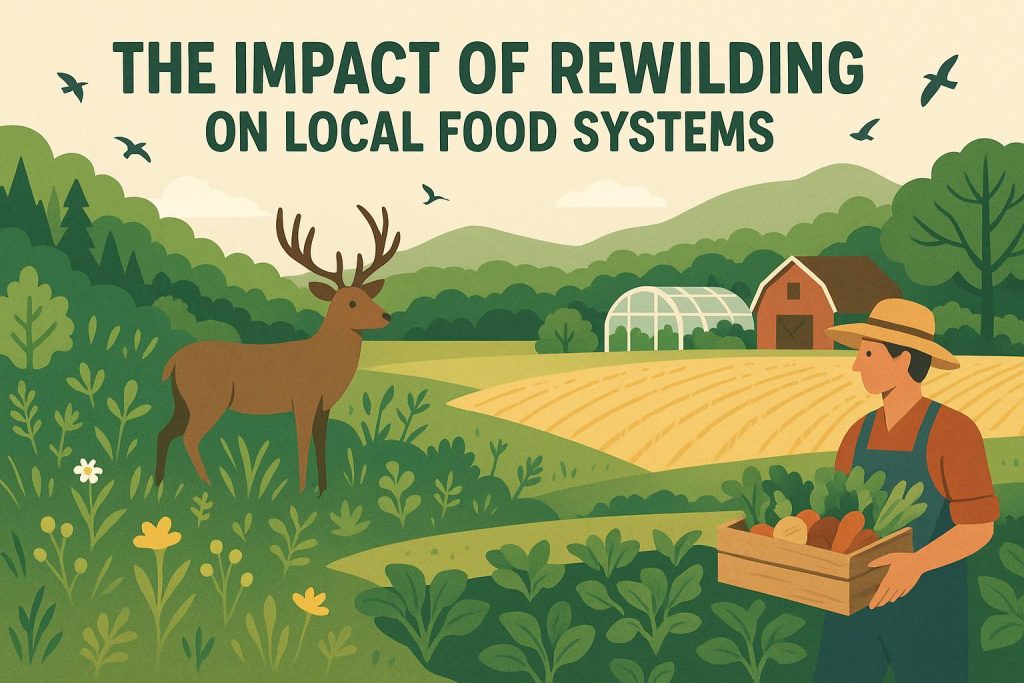
The Impact of Rewildering on Local Food Systems
The Concept of Rewildering
Rewildering, also known as rewilding, is a progressive ecological practice focused on rehabilitating ecosystems that have been significantly altered or impaired due to human intervention. This process specifically aims at reinstating native species, restoring ecological processes, and ultimately increasing the resilience and diversity of ecosystems. A focal point of rewildering is the enhancement of biodiversity, which is believed to improve ecosystem services and create more robust natural environments. Among the multifaceted outcomes of rewildering is its noticeable impact on local food systems, by potentially transforming agricultural practices and influencing the types of foods available to communities.
Effects on Agriculture
Rewildering offers profound opportunities to reshape agricultural landscapes. By revitalizing ecosystems near farmland, rewildering brings about a dynamic interaction between restored natural habitats and agricultural activities. Initially, the reintroduction of native flora and fauna may pose certain challenges, such as competition with cultivated crops or domesticated animals. However, if managed effectively, these ecosystems can bring substantial benefits. The altered landscapes, over time, can create a more harmonious balance where agricultural environments benefit from natural processes like pest control and crop pollination. Consequently, farmers might experience less reliance on chemical pesticides and fertilizers, promoting a more sustainable mode of farming.
Soil Health and Fertility
A notable aspect of rewildering is its potential to enhance soil health and fertility. Natural vegetation and wildlife contribute to processes that are essential for maintaining soil quality. They play a role in nutrient cycling by breaking down organic material, which enriches the soil with essential nutrients and fosters the development of organic matter. This process enhances soil structure and improves aeration, making the soil more fertile and robust. As a result, agricultural practices in such rewildered landscapes may see a diminished need for artificial fertilization, leading to reduced environmental impacts and more natural food production systems.
Pollination and Pest Control
The presence of a rich, biodiverse ecosystem is beneficial for the support of a variety of pollinators, such as bees, butterflies, and other insects crucial for plant reproduction. Enhanced pollination can significantly improve crop yields, ensuring that food systems remain productive and efficient. Moreover, rewildering cultivates an environment where predatory animals and insects can thrive, thereby naturally regulating pest populations. This ecological balance reduces the dependency on chemical pest control methods, leading to a cleaner, healthier food production process and ultimately benefiting both the environment and local communities.
Implications for Local Diets
The reintroduction of native species through rewildering can bring about diversification in local diets. The renewal of native plants, some of which may have been lost over time, introduces new edible varieties and flavors to the local palate. This variety can enrich cultural cuisines and broaden the nutritional options available to the community, making diets more balanced and potentially healthier. Additionally, the establishment of such diverse ecosystems supports sustainable meat production practices, particularly where animal grazing can be managed in harmony with restoration goals, aligning agricultural practices with the principles of environmental preservation.
Community Involvement and Education
Community involvement is a crucial element in the success of rewildering initiatives. By actively participating in these projects, communities gain greater awareness of sustainable food systems and the importance of biodiversity. Educational programs can play a pivotal role in informing and inspiring local populations about the advantages of biodiversity, not just for agriculture but also for overall human health and nutrition. This fosters a collective vision for responsible landscape management, engaging individuals in the long-term stewardship of their natural environments.
Challenges and Considerations
Despite the numerous advantages of rewildering, several challenges must be addressed. Integrating natural processes into local food systems involves reconciling conservation objectives with the practical needs of farmers and consumers. During the transition phase, there may be temporary disruptions in food production as ecosystems adjust. Strategic planning is essential to mitigate conflicts between wildlife and human activities, ensuring that conservation goals do not impede local agricultural productivity or food security.
Economic Aspects
Implementing rewildering initiatives often necessitates substantial initial investments, both from governmental bodies and private sector stakeholders. However, these costs can be offset in the long term by the decreased need for agricultural inputs, such as fertilizers and pesticides, and by the enhanced ecosystem services that a biodiverse landscape can offer. Policymakers and environmental planners must devise financial strategies that support both ecological restoration and ensure the food security of local populations, balancing immediate expenses with long-term savings and sustainability goals.
Conclusion
Rewildering represents a promising pathway towards achieving ecological balance and sustainability within local food systems. By encouraging a synergistic relationship between nature and agriculture, rewildering can lead to sustainable, resilient food production systems that benefit both the environment and human society. As stewardships of natural landscapes evolve, understanding and participation in rewildering efforts will likely expand, creating opportunities for enriched ecological and food production systems worldwide. For individuals and stakeholders interested in exploring detailed information about rewildering projects, resources such as Rewilding Europe offer valuable insights and case studies into ongoing efforts and successes in the field.